How to Evaluate Hotel Quality Before Booking: A Complete Guide to Guest Comfort, Service Standards, Room Features and Booking Decisions
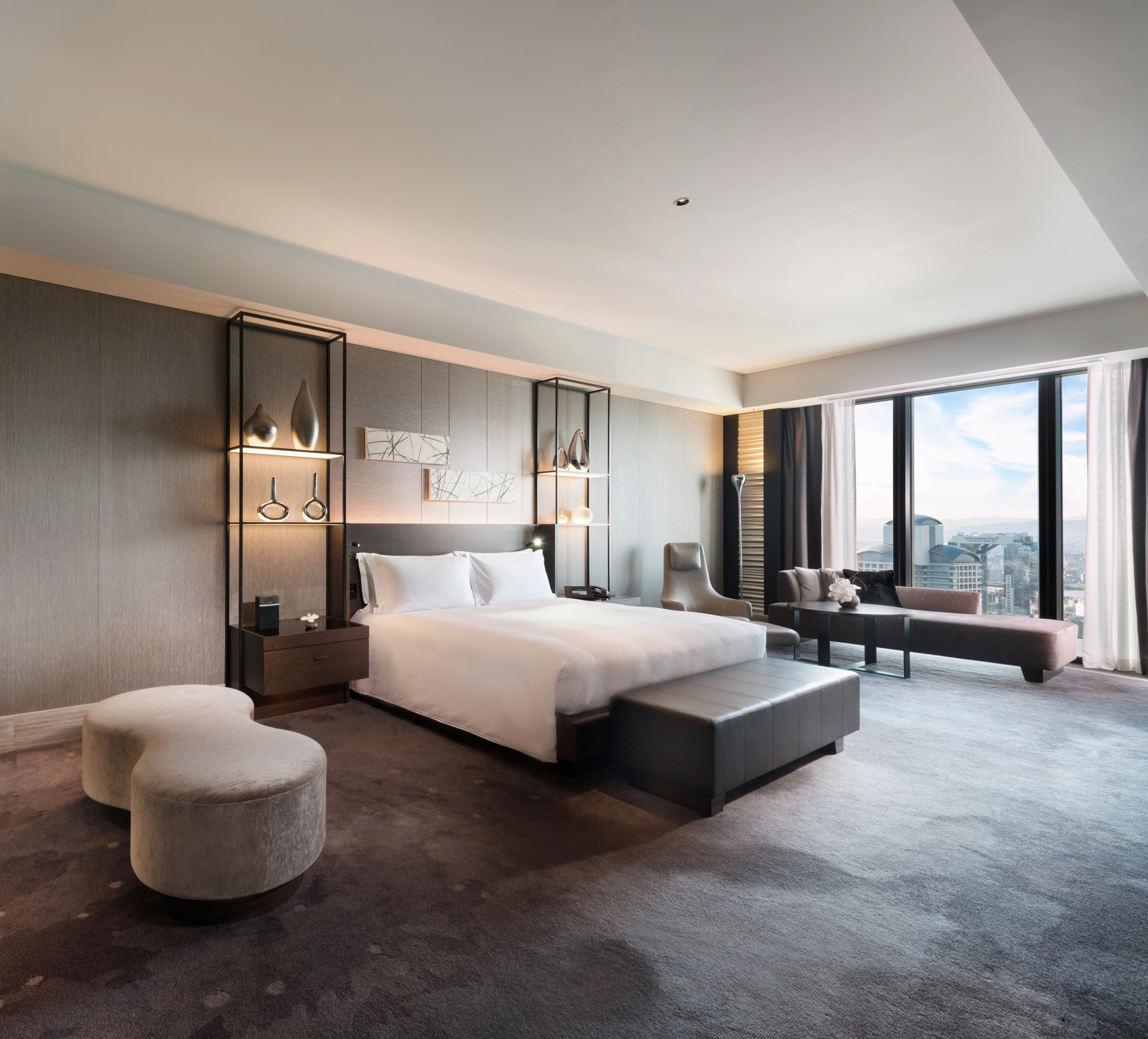
Booking a hotel should be an informed decision, not a gamble. A property's photographs may look impressive, its description may sound persuasive, and its headline price may appear attractive. Yet none of these details alone can tell you whether the actual experience will meet your expectations. To make a confident decision, you need to look beyond promotional language and examine the features that influence a real stay.
Hotel quality is made up of several connected elements: cleanliness, room comfort, maintenance, staff service, facilities, location, safety procedures, communication, and the accuracy of the information presented before booking. A property can perform exceptionally well in one area and less consistently in another. The challenge is to understand which strengths matter most for your trip and whether the available evidence supports the hotel's claims.
This guide explains how to evaluate hotel quality before making a reservation. It offers a practical framework for comparing accommodation, interpreting guest feedback, identifying possible warning signs, understanding room descriptions, assessing value for money, and asking the right questions. The examples are relevant to travellers comparing hotels and resorts in Egypt, but the principles can also be applied to accommodation in other destinations.
The key principle: Evaluate the complete experience rather than relying on a single rating, photograph, or price. The strongest choice is the property whose verified standards, location, room features, and booking conditions match your needs.
1. Understand What Hotel Quality Really Means
Hotel quality is not simply a matter of luxury. A hotel with elaborate interiors may be less suitable than a modest property that provides clean rooms, reliable service, accurate information, and a convenient location. Quality should be judged in relation to what the property promises and what a guest reasonably needs from the stay.
Physical quality and appearance
The physical condition of a hotel includes the room, bathroom, furniture, fixtures, corridors, public spaces, and any facilities advertised as part of the experience. Clean surfaces and attractive décor are positive signs, but appearance is only the beginning. Maintenance, functionality, and consistency matter just as much.
A room may look stylish while having poor lighting, limited storage, malfunctioning air conditioning, or insufficient power outlets. These details might seem minor in a photograph, but they can influence comfort throughout a multi-night stay. When assessing a property, look for evidence of practical usability as well as visual appeal.
Service quality
Service quality describes how effectively the property communicates with guests and responds to their needs. It can include reservation assistance, check-in, housekeeping, maintenance support, handling of questions, and the resolution of problems.
Excellent service does not mean that every request can always be granted. It means that information is communicated clearly, reasonable requests are handled professionally, and problems receive an appropriate response. A hotel's ability to explain its policies and set realistic expectations can be as important as the range of services it offers.
Consistency across the stay
One excellent interaction does not necessarily establish a hotel's overall standard. A more useful assessment considers whether guests repeatedly report similar positive experiences across different parts of the property and different stages of the stay.
For a first comparison, browse available hotels and resorts in Egypt and identify a shortlist of properties. Then evaluate each one against the same criteria rather than switching between unrelated standards for different hotels.
2. Start With Accurate Hotel Information
Before evaluating service or facilities, make sure you understand exactly what the property offers. Incomplete or ambiguous information can lead to unrealistic expectations and make a comparison unfair.
Check the official property details
Look for the full property name, exact address, contact information, room categories, check-in and check-out policies, included amenities, and cancellation conditions. Compare the information across the hotel's own channels and the booking page you intend to use.
If a description is unclear, ask for clarification before paying. For example, a listing may mention a swimming pool without explaining whether it is available throughout the year or whether access is included in the room rate. A clear answer is more useful than assuming the facility will be available exactly as you expect.
Distinguish confirmed features from promotional wording
Descriptions such as “premium comfort,” “ideal location,” and “exceptional experience” communicate a marketing message, but they do not provide measurable details. More useful information includes room size, bed configuration, included services, access arrangements, and the distance to places you plan to visit.
Whenever possible, convert a broad claim into a specific question. Instead of asking whether a room is spacious, check the stated floor area and compare it with the number of people staying in it. Instead of assuming that a hotel is close to an attraction, check the address and estimated journey time.
Look for inconsistencies
Pay attention when photographs, descriptions, and policies appear to contradict one another. If a listing displays a suite but the selected rate refers to a standard room, the images may not represent the room you will receive. If a facility appears in a promotional gallery but is absent from the room or rate description, confirm whether it is available to you.
Practical rule: If a feature is important enough to influence your booking decision, verify it specifically. Do not treat an attractive photograph or a broad marketing statement as confirmation.
3. Evaluate Cleanliness Beyond First Impressions
Cleanliness is one of the clearest factors affecting comfort and confidence. A hotel should maintain guest rooms and shared areas to a consistent standard, with particular attention to bathrooms, bedding, floors, frequently touched surfaces, and waste removal.
Read reviews for specific observations
Useful reviews describe what the guest actually noticed. Comments about clean bedding, a well-maintained bathroom, dusty furniture, unpleasant odours, or housekeeping responsiveness provide more information than a simple overall score.
Look for repeated patterns in recent feedback. One complaint may reflect an isolated incident, a misunderstanding, or a room-specific problem. Several recent reports describing the same concern may indicate a more persistent issue that deserves further investigation.
Consider bathrooms separately
Bathrooms are especially important because problems can quickly affect the comfort of a stay. Look for information about cleanliness, drainage, water pressure, ventilation, towels, fixtures, and the condition of shower areas. For travellers with specific mobility requirements, verify the bathroom layout and any accessibility features directly with the property.
Understand housekeeping standards
Housekeeping arrangements can vary by property, room type, and length of stay. Confirm how frequently rooms are cleaned, how to request additional towels, and whether replacement supplies are available on request. If you prefer a particular service schedule, ask whether the hotel can accommodate it.
Distinguish cleanliness from age
An older hotel is not automatically poorly maintained. Furnishings may be dated while rooms remain clean and functional. Conversely, a recently renovated room can still be inadequately cleaned. Assess visible condition, functionality, and reported maintenance separately rather than treating them as one measure.
Cleanliness assessment checklist:
- Recent guests describe rooms and bathrooms as clean.
- There are no repeated unresolved reports of unpleasant odours.
- Housekeeping procedures are explained clearly.
- Shared areas appear to be maintained consistently.
- Maintenance concerns are not repeatedly confused with housekeeping issues.
4. Assess Room Comfort and Everyday Functionality
A hotel room is more than a place to sleep. It is where guests store their belongings, prepare for the day, rest between activities, and sometimes work. The room should support those activities without unnecessary inconvenience.
Room size and layout
Check the stated floor area whenever it is available. A room that comfortably accommodates one traveller may feel crowded when shared by several adults or a family with luggage. Layout matters too: usable floor space, storage, seating, and the position of the bed can affect how practical a room feels.
Bed and bedding
Bed type and configuration should match your reservation and personal requirements. Check whether the room offers one large bed, two separate beds, or another arrangement. If mattress firmness or pillow options are particularly important to you, ask whether the hotel can provide information before arrival.
Lighting and electrical outlets
Lighting affects reading, working, getting ready, and moving around the room comfortably. Look for descriptions or photographs showing bedside lights, general room lighting, and useful work surfaces. Guests who rely on several devices may also want to check the location of power outlets.
Noise and privacy
Noise can come from traffic, neighbouring rooms, corridors, lifts, restaurants, or outdoor activities. Recent guest feedback may help identify recurring problems, although experiences vary according to room position and individual sensitivity.
If quiet is a priority, ask whether the hotel can explain which room locations are likely to be quieter. A request for a particular room position may be subject to availability, so clarify whether it can be confirmed or only noted.
Temperature and ventilation
Reliable temperature control can make a substantial difference to comfort. Confirm whether air conditioning or another temperature-control system is included in the room category. Review guest feedback for recurring reports of equipment failures, poor ventilation, or difficulty maintaining a comfortable room temperature.
For travellers comparing hotels in Cairo, room comfort should be considered alongside location and transport convenience. A well-positioned hotel is valuable, but it should still provide the practical conditions needed for restful nights and comfortable downtime.
5. Examine Maintenance and the Condition of Facilities
Maintenance is different from cleanliness. A room can be spotless but still have malfunctioning equipment, damaged fixtures, poor lighting, or unreliable plumbing. Hotel quality depends on both housekeeping and the ability to keep the property working as intended.
Look for recurring maintenance complaints
When reading reviews, note repeated mentions of broken air conditioning, inconsistent hot water, faulty locks, damaged furniture, leaking fixtures, or lighting problems. A single report may not describe the general standard, but repeated comments about the same issue deserve attention.
Check the age and condition of shared spaces
Reception areas, corridors, lifts, stairways, and common facilities can provide clues about how the property is maintained. Attractive décor is not essential in every accommodation category, but guests should be able to expect functional facilities and clear information about access.
Assess the response to reported problems
Maintenance issues can occur in any property. What matters is whether staff can receive reports, communicate a reasonable solution, and take appropriate action. Guest feedback about response times and follow-up can help you understand how the property handles practical problems.
Do not assume a renovation guarantees quality
Renovations can improve comfort, but the age of the latest refurbishment does not automatically determine the current condition of every room. Different areas may be updated at different times. Focus on recent information about the specific room type and facilities you intend to use.
6. Understand the Hotel's Service Standards
Service is often difficult to judge before arrival because promotional descriptions rarely show how a property handles everyday requests. Guest feedback, communication before booking, and the clarity of published policies can provide useful clues.
Evaluate pre-booking communication
If you contact a hotel with a straightforward question, consider whether the response is clear, relevant, and professional. A prompt answer is helpful, but accuracy matters too. A fast response that fails to address the question may be less useful than a slightly slower response that explains the policy properly.
Consider check-in and check-out procedures
Clear arrival instructions can reduce uncertainty, particularly for guests arriving late or travelling with children. Confirm the official check-in time, any identification requirements, the process for late arrivals, and whether early check-in is available. Early arrival requests should not be assumed to be guaranteed unless the property confirms them.
Look for evidence of problem resolution
Reviews that explain how staff responded to a concern can be especially valuable. Did the hotel provide clear information? Was a reasonable alternative offered? Was the guest kept informed? These details may reveal more about service standards than general statements about friendliness.
Consider service consistency
Different employees and shifts may deliver different experiences, so avoid treating a single interaction as definitive. Look for recurring patterns in feedback about reception, housekeeping, dining, and other services. A consistent pattern provides a more balanced view of the hotel's operation.
7. Review Facilities According to Their Real Value
A long amenities list can make a hotel appear impressive, but the number of facilities does not automatically establish quality. What matters is whether the facilities are suitable, maintained, accessible, and included in the terms of your booking.
Internet and workspace
Guests who work remotely or need reliable connectivity should verify whether internet access is available in the room, whether any limits apply, and whether the property can explain its connection arrangements. If a suitable workspace is important, check whether the room has a practical desk or table and appropriate seating.
Dining facilities
Check whether breakfast is included in the selected rate and whether other dining options are available when you need them. If your schedule requires early departures or late arrivals, confirm the relevant service times. Guests with dietary requirements should ask specific questions before booking rather than assuming that a broad restaurant description guarantees a particular option.
Leisure and recreational facilities
Swimming pools, fitness areas, gardens, and family spaces may be valuable when you expect to use them. Check whether access is included, whether opening times apply, and whether facilities are available during your dates. A facility that is closed or subject to an extra charge may not deliver the value you expected.
Parking and transport services
Drivers should check parking availability, cost, access arrangements, and whether a space can be reserved. Travellers considering transfers should verify the pickup location, price, timing, and cancellation conditions. Do not assume that a property provides a service simply because it is common among similar hotels.
When evaluating hotels in Alexandria, compare facilities with the experience you want from your visit. A property near places you plan to explore may be more useful than one offering extensive amenities you are unlikely to use.
8. Assess Location and Accessibility
Location influences travel time, convenience, transport spending, and the overall rhythm of a trip. A hotel should be evaluated in relation to your intended activities rather than a general claim that it is “central” or “near attractions.”
Check the actual address
Use a map to verify the property's location. Compare the address with the attractions, workplaces, transport stations, or neighbourhoods you plan to visit. If you will travel between several areas, consider the full itinerary instead of choosing accommodation based on one destination alone.
Estimate real travel time
Straight-line distance does not always reflect the time required to reach a destination. Roads, traffic, available transport, and the route itself can affect journey length. Use realistic estimates and allow additional time when your schedule includes important appointments or timed activities.
Assess the immediate surroundings
Check whether the neighbourhood offers the services and atmosphere you prefer. Some travellers value busy streets and convenient access to everyday shops, while others prefer quieter surroundings. Neither is universally better; the right choice depends on your plans and personal priorities.
Verify accessibility requirements
If you need step-free access, lifts, accessible bathrooms, particular doorway widths, or other specific features, contact the hotel directly. General accessibility statements may not cover every requirement. Ask about the exact route from the entrance to the room and the facilities you expect to use.
For travellers planning visits to major historic attractions, comparing hotels in Giza with other locations can help establish which area best fits the itinerary. Confirm the exact address and estimated travel times before selecting a property.
9. Learn How to Interpret Guest Ratings
Guest ratings can be useful for narrowing a shortlist, but they should not be treated as a complete measurement of quality. A rating compresses many different experiences into a single number, often without explaining which features mattered most to each reviewer.
Read beyond the overall score
A high score may reflect excellent location or friendly service even if the rooms are small. A lower score may reflect a problem that is irrelevant to your needs, or it may indicate a recurring concern that deserves attention. Read the written comments to understand the reasons behind the rating.
Consider review volume and recency
A rating based on a larger number of reviews may provide a broader picture than a score based on only a few experiences, although review volume does not guarantee accuracy. Recent comments can be particularly relevant when evaluating maintenance, facilities, or service practices that may change over time.
Look for specific and balanced comments
Detailed reviews usually explain what went well or poorly. For example, a comment describing a comfortable bed, a noisy corridor, and a helpful response provides more context than a one-word rating. Balanced reviews can be particularly useful because they show that a guest considered several aspects of the stay.
Identify recurring patterns
Repeated comments about the same issue can be more meaningful than a single extreme review. Pay attention to whether concerns appear across different dates and room types. Apply the same standard to positive feedback: repeated reports of clean rooms, helpful communication, and reliable facilities can support a more confident assessment.
10. Recognise Potential Warning Signs Before Booking
Not every imperfect description is a reason to reject a hotel. However, certain patterns should prompt additional questions or a comparison with alternative properties.
Unclear room descriptions
If a listing does not clearly identify the room category, bedding, occupancy, or included facilities, you may not have enough information to make a fair comparison. Ask for clarification before committing to a rate that is difficult to change.
Repeated unresolved complaints
Several recent reviews describing the same serious maintenance or cleanliness issue should not be ignored. Look for evidence of an effective response and consider whether the issue would materially affect your stay.
Unexplained extra charges
Mandatory fees should be disclosed clearly during the booking process. If the final price or payment requirements remain unclear, ask the booking provider or property for an itemised explanation before paying.
Contradictory information
Conflicting statements about facilities, cancellation rules, or room features can create uncertainty. Confirm which terms apply to your selected rate and retain a record of the answer.
Unrealistic expectations created by photographs
Images may show a premium room, a model unit, or facilities that are not part of the rate you selected. Compare the photographs with the exact room description and verify any feature that matters to your decision.
Pause before booking if:
- The selected room category is not clearly identified.
- The total payable amount is uncertain.
- Important facilities cannot be confirmed.
- Recent reviews repeatedly mention a serious unresolved issue.
- The cancellation or payment policy is difficult to understand.
11. Compare Hotel Prices With a Fair Method
Price comparison only works when the options are genuinely comparable. Two hotels may display different nightly rates because they offer different room sizes, meal arrangements, cancellation terms, or occupancy limits.
Compare the complete stay
Calculate the total price for the same dates, number of nights, and number of guests. Include mandatory taxes and charges where applicable. Confirm whether breakfast, parking, transfers, or other services are included in each rate.
Consider the cost of convenience
A lower room rate may be offset by longer journeys or additional transport expenses. Estimate how much you expect to spend travelling to the places you will visit. Consider whether the extra cost of a better location would save enough time or money to justify the difference.
Evaluate cancellation flexibility
Flexible rates may be valuable when plans are uncertain, while non-refundable rates may offer a lower initial price. The right choice depends on how likely your plans are to change and how much financial risk you are willing to accept.
Check payment conditions
Verify when the payment will be collected, whether a deposit is required, which currency is used, and whether additional payment-card holds may apply. Your bank or card provider may also apply currency conversion fees. These details can affect the actual amount you spend.
| Cost factor |
What to verify |
Effect on your decision |
| Room rate |
Total price for the same dates and occupancy |
Creates a fair baseline for comparison |
| Taxes and fees |
Mandatory charges and how they are displayed |
Reduces the risk of unexpected expenses |
| Meals |
Included meals and service hours |
Helps estimate additional daily spending |
| Transport |
Travel distance and likely transport costs |
Shows the practical cost of the location |
| Cancellation |
Deadlines, penalties, and modification rules |
Clarifies flexibility and financial exposure |
| Facilities |
Included services and optional charges |
Shows whether the rate matches your needs |
For a wider comparison, review Egypt accommodation options and shortlist properties using the same dates, room requirements, and budget assumptions.
12. Evaluate Hotels for Family Stays
Family accommodation should be assessed according to the needs of everyone travelling. A room that is comfortable for two adults may not offer enough space or suitable sleeping arrangements for a family with children.
Confirm occupancy and bedding
Check the maximum number of guests permitted in the room, the exact bed arrangement, and whether children can share existing bedding under the property's rules. If you require an extra bed or cot, confirm availability and any additional charge in advance.
Assess the room layout
Families may benefit from additional storage, enough floor space to move around, practical bathroom access, and a layout that supports different sleeping schedules. A separate living area may be useful for longer stays, but it should be evaluated against the additional cost.
Review facilities and policies
Confirm whether family facilities are available and whether age restrictions or supervision requirements apply. If you need particular dining arrangements or accessibility features, ask the property directly.
Look for relevant guest feedback
Reviews from other families may reveal practical details about room capacity, noise, service, and the convenience of the property. Compare those experiences with your own requirements rather than assuming every family will have identical needs.
Travellers planning a coastal stay can compare hotels in Sharm El Sheikh by room arrangements, facilities, service information, and total cost. Check whether the facilities you expect to use are included in your selected booking.
13. Evaluate Hotels for Business Travel
Business travellers often need accommodation that supports a fixed schedule and predictable working conditions. The most useful property is not necessarily the one with the largest range of leisure amenities; it is the one that makes work and travel manageable.
Confirm internet and workspace requirements
If your work depends on online meetings or large file transfers, ask about the connection arrangements and whether internet access is available in the room. Check for a practical work surface, appropriate seating, lighting, and power outlets.
Check transport convenience
Estimate the journey to meeting venues and allow for realistic travel times. If you have an early appointment, verify breakfast hours and the check-out process. If you expect to arrive late, confirm how the hotel handles late arrivals.
Review billing requirements
Some business trips require invoices with particular details or payment arrangements that differ from leisure travel. Confirm these requirements before booking so that you do not discover a problem after the stay.
Choose facilities based on actual use
Business travellers may benefit from a reliable workspace and convenient location more than a broad leisure programme. Compare what each hotel provides against the demands of your schedule, not the number of amenities listed on its promotional page.
14. Understand Hotel Categories and Star Ratings
Star ratings can help establish an initial expectation, but classification systems vary and should not be treated as a universal guarantee of the guest experience. The criteria used to assign categories may differ between destinations and accommodation types.
Separate classification from satisfaction
A hotel classification generally indicates that a property meets particular standards or requirements. Guest satisfaction ratings reflect personal experiences and expectations. These two measures answer different questions and should be considered separately.
Compare features rather than labels alone
A higher category may include additional services that you do not need. A smaller property may offer a more convenient location or a room that better fits your budget. Compare the exact features and policies before deciding that one hotel is automatically superior.
Check the selected room category
Not every room within a property necessarily has the same layout, view, or facilities. Make sure that the room included in your booking meets the requirements that matter most to you, regardless of the hotel's overall classification.
15. Assess Communication and Transparency
Clear communication before booking is an important part of evaluating a property's professionalism. Guests should be able to understand what is included, which rules apply, and how to ask for help if a problem occurs.
Ask focused questions
Prepare a short list of questions about anything that could affect your stay. These might include bed arrangements, accessibility, facility access, check-in time, parking, meal availability, or cancellation conditions.
Specific questions are more likely to produce useful answers than broad requests for reassurance. Instead of asking whether the hotel is suitable for a family, explain the number and ages of the guests and ask whether the selected room accommodates them under the property's rules.
Keep written confirmation
If the hotel confirms an important arrangement, retain the response with your reservation details. This is especially useful for special requests, room features, transport arrangements, and clarification of booking terms.
Evaluate the clarity of policies
Policies do not need to be unusually generous to be reasonable, but they should be understandable. A clearly explained cancellation policy allows you to make an informed choice. Unclear wording can create uncertainty even when the underlying terms are standard.
16. Build a Consistent Hotel Evaluation Scorecard
When you have narrowed your search to several properties, a scorecard can help you compare them systematically. The purpose is to organise the evidence, not to pretend that every quality factor can be measured with perfect precision.
Choose the factors that matter most to your trip and use the same scoring scale for each property. A simple scale from one to five is often sufficient. Give a low score when the evidence indicates a serious shortcoming, a high score when the property clearly meets your requirements, and mark uncertain details as unconfirmed.
| Evaluation category |
Evidence to examine |
Importance to consider |
| Cleanliness |
Recent guest comments and housekeeping information |
High for almost every stay |
| Room comfort |
Size, bedding, layout, temperature, and noise |
High for longer stays and shared rooms |
| Maintenance |
Reports about equipment, fixtures, and repairs |
High when repeated problems are reported |
| Service |
Communication, responsiveness, and problem resolution |
High when support may be needed |
| Location |
Address, journey times, and surrounding area |
Depends on the itinerary |
| Facilities |
Availability, condition, access, and included costs |
Depends on intended use |
| Value |
Total cost compared with verified benefits |
High for budget planning |
| Booking clarity |
Room details, payment terms, and cancellation policy |
High before payment |
Do not rely on the final total alone. If accessibility is essential, an otherwise excellent hotel that cannot meet your requirements is not a suitable choice. If a particular room configuration is non-negotiable, verify it before using a scorecard to rank the remaining options.
17. Use a Step-by-Step Review Process
A repeatable process makes hotel comparisons more efficient and reduces the chance of overlooking an important detail. Use the same sequence for every property you consider.
Step one: Define your requirements
Write down your dates, occupancy, budget, preferred location, room requirements, and essential facilities. Separate non-negotiable requirements from preferences that could be adjusted.
Step two: Create a shortlist
Select several properties that appear to meet your requirements. Avoid adding hotels simply because their photographs are appealing. A shortlist is most useful when each option has a realistic chance of fitting your itinerary and budget.
Step three: Verify the room and rate
Read the exact room description and the terms attached to the selected rate. Check the bed configuration, occupancy limits, included services, total price, payment schedule, and cancellation policy.
Step four: Review recent feedback
Read positive and negative comments, paying attention to repeated themes related to cleanliness, maintenance, service, and noise. Record any concerns that require clarification.
Step five: Compare location and facilities
Verify the address, estimate travel time, and identify which amenities you will genuinely use. Check whether the facilities are available during your dates and included in the rate.
Step six: Ask about unresolved details
Contact the property or booking provider to clarify any essential point. Keep written answers where possible. If an important requirement cannot be confirmed, consider another property.
Step seven: Make the final comparison
Compare the complete price and the verified benefits of each remaining option. Choose the property that best fits your requirements, rather than the one that merely looks most impressive at first glance.
18. What to Do When a Hotel Does Not Meet Expectations
Even careful research cannot eliminate every possibility of a disappointing stay. Conditions can change, and a problem may only become apparent after arrival. Knowing how to respond can help you seek a practical solution.
Identify the specific problem
Determine whether the issue concerns the room category, cleanliness, a malfunctioning facility, a missing service, or a difference between the booking description and the room provided. A precise explanation makes it easier for staff to understand what needs to be addressed.
Contact the appropriate staff member
Raise the concern with reception or the relevant department as soon as reasonably possible. Explain what you expected based on the booking and what you have found. If the matter involves a safety concern, communicate it promptly and follow the property's relevant instructions.
Request a clear resolution
Depending on the problem, a reasonable request may involve cleaning, repair, clarification, or an alternative room that matches the booking. Keep your request practical and allow the property an opportunity to respond.
Keep records
Retain relevant booking information and important correspondence. If you need to contact the booking provider, clear records can help explain the issue and the steps already taken to resolve it.
Give balanced feedback afterward
If you decide to leave a review, describe the experience accurately and distinguish facts from personal opinion. Mention the issue, the response you received, and whether it was resolved. Specific, fair feedback helps future guests make better decisions.
19. Common Mistakes That Lead to Poor Hotel Choices
Many booking problems occur because travellers focus on one attractive feature while overlooking other parts of the experience. Avoiding the following mistakes can make your evaluation more reliable.
Choosing by price alone
The lowest rate may not represent the best value if the room is unsuitable, the location is inconvenient, or essential facilities cost extra. Compare the complete price against the benefits you will actually receive.
Trusting promotional photographs without checking the room
Photographs may show a premium room or a facility that is not included in your selected rate. Confirm the exact room category and the features that are guaranteed before paying.
Ignoring recent negative patterns
One negative review may not be decisive, but several recent reports of the same serious problem deserve attention. Look for a clear response or evidence that the issue has been addressed.
Assuming a star rating tells the whole story
Classification can help with initial filtering, but it does not reveal every detail about room comfort, location, service, or value. Examine the property itself rather than treating its category as a complete verdict.
Failing to check the cancellation policy
Unexpected changes can make an inflexible reservation costly. Review the actual terms and choose a level of flexibility appropriate to your plans.
Making assumptions about special requests
A request for a quiet room, extra bed, particular view, or early check-in may not be guaranteed. Ask the hotel to explain the status of the request and keep written confirmation of any agreed arrangement.
20. Frequently Asked Questions About Hotel Quality
How can I evaluate hotel quality before booking?
Compare cleanliness, room comfort, maintenance, service, location, facilities, recent guest reviews, and the total price. Verify important room features and booking conditions instead of relying only on photographs or a single rating.
Are online hotel ratings reliable?
Ratings are useful as a starting point, but they do not tell the whole story. Read recent, detailed reviews, look for repeated patterns, and consider whether the reviewer's needs are similar to your own.
What is the most important sign of a good hotel?
There is no single sign that applies to every traveller. Consistent cleanliness, functional rooms, clear communication, reliable facilities, and transparent booking conditions are useful indicators. Their relative importance depends on your needs.
How do I know whether a hotel room is suitable for my family?
Confirm the maximum occupancy, bed arrangement, room size, bathroom layout, and availability of any required extra bed or cot. Verify charges and age-related policies directly with the property.
Should I always choose a hotel with more amenities?
No. Additional facilities only provide value when you use them. Choose accommodation based on the services that support your itinerary, and confirm whether essential amenities are available and included in your rate.
How can I spot possible hotel maintenance problems?
Look for repeated recent comments about air conditioning, plumbing, locks, lighting, or damaged fixtures. Consider the hotel's responses and ask questions about any issue that could significantly affect your stay.
Does a higher hotel category guarantee a better experience?
No. Categories can indicate certain standards or facilities, but they do not guarantee that the property matches your personal requirements. Compare the actual room, location, services, reviews, and price.
What should I check in a hotel's cancellation policy?
Review the cancellation deadline, penalties, refund conditions, and rules for modifying dates or guest details. Make sure you understand the terms for the exact rate you are booking.
How do I compare two hotels with similar prices?
Compare the complete cost, location, room features, cleanliness feedback, service standards, included facilities, and booking flexibility. Give priority to your essential requirements rather than choosing based on a minor difference in price.
What should I do if the hotel does not provide the room I booked?
Contact reception promptly, explain the difference, and show your booking confirmation. Ask for a practical resolution and keep records of important communication. If necessary, contact the booking provider through the appropriate support channel.
21. Final Verdict: Make Your Hotel Decision With Confidence
Evaluating hotel quality before booking is a process of gathering evidence, comparing relevant details, and checking whether a property can meet your requirements. It is not about finding a hotel that appears perfect in every photograph. It is about choosing accommodation whose strengths are meaningful to your trip and whose limitations are understood before you commit.
Begin with accurate property information. Examine cleanliness, room comfort, maintenance, service, facilities, and location. Read recent guest reviews carefully, paying particular attention to repeated patterns and specific examples. Compare the complete cost and check the cancellation policy before making a final decision.
Most importantly, distinguish between essential requirements and optional preferences. If a room must accommodate a particular number of guests, if you need specific accessibility features, or if reliable internet is essential for your work, confirm those points directly. An attractive price or a high rating cannot compensate for a property that fails to meet a non-negotiable requirement.
For travellers comparing accommodation in Egypt, reviewing Egypt hotels and resorts can be the starting point for a more structured search. Compare properties by the same standards, verify the information that matters, and select the hotel that offers the most appropriate combination of comfort, convenience, service, and value.
A thoughtful booking decision can reduce uncertainty, help you manage your budget, and set realistic expectations for your stay. With a consistent evaluation process, you can move beyond promotional claims and choose accommodation based on details that genuinely affect the guest experience.

Comments
Post a Comment