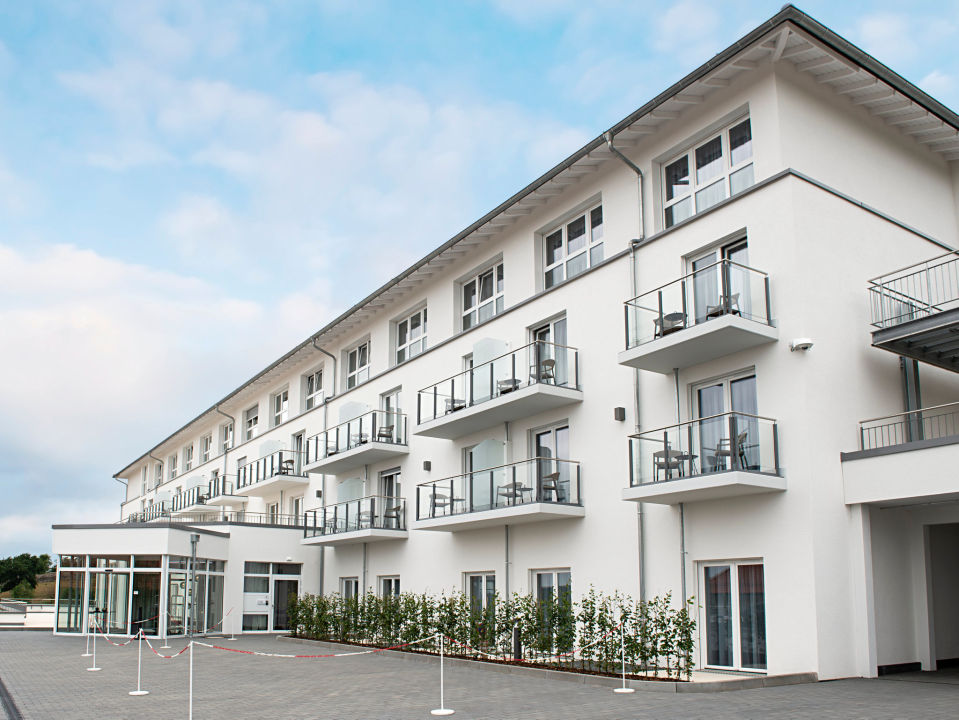
Building a Hotel Strategy Before You Build an Itinerary
Planning accommodation in Germany becomes significantly easier when the hotel decision is treated as part of the overall travel strategy rather than as an isolated booking task. A hotel influences arrival time, daily transportation, working efficiency, sightseeing patterns, rest quality, luggage handling, and the amount of time available for the experiences that matter most. For that reason, a professional approach begins with the purpose of the trip and then works backward toward the right property, location, room category, and supporting services.
Germany offers an unusually broad accommodation landscape. Travelers can find contemporary city hotels, historic properties, compact business accommodations, family-oriented properties, countryside retreats, airport hotels, boutique addresses, extended-stay options, and resort-style destinations. The right choice therefore depends less on selecting the most impressive-looking building and more on matching the property to the practical requirements of the journey.
A useful starting point is to establish the geographic scope of the trip. Travelers covering several cities may benefit from comparing Hotels & Resorts in Germany before deciding where longer stays belong. A traveler visiting one city for several days has a different set of priorities from someone changing destinations every night.
The same principle applies to transportation. A centrally located hotel may reduce the need for private transport, while a property outside a major center may provide more space, easier parking, or a quieter environment. Neither approach is universally correct. The professional solution is to compare total convenience rather than judging a property from its nightly price alone.
Planning principle: Evaluate the hotel as part of the complete travel system. Consider accommodation, flights, local transportation, daily schedules, luggage movement, and the purpose of the trip together.
Understanding the Main Accommodation Categories
Before comparing individual hotels, it helps to understand the major accommodation categories available across Germany. Each category can serve a different travel requirement, and knowing the distinction can make the search process faster and more precise.
Urban Hotels
Urban hotels are designed around access to city centers, commercial districts, transportation hubs, cultural attractions, and dining areas. They are particularly useful for short stays where efficient movement matters.
Business Hotels
Business-oriented properties often emphasize reliable connectivity, work-friendly rooms, meeting facilities, practical locations, and efficient check-in arrangements.
Leisure Properties
Leisure-focused accommodations place greater emphasis on atmosphere, surrounding scenery, relaxation, larger rooms, outdoor areas, and facilities intended to support longer stays.
For travelers beginning their research, a broad comparison of Hotels & Resorts in Germany can provide a useful starting point. The important objective is not simply to find a hotel with attractive photography but to determine whether the property supports the practical rhythm of the trip.
Location: The Most Important Hotel Specification
Location is one of the most influential variables in hotel selection. A property that looks inexpensive may become less economical when repeated transfers consume time and transportation costs. Conversely, a hotel with a slightly higher nightly rate can sometimes create meaningful value if it places travelers close to their primary destinations.
Location should be evaluated according to the traveler’s actual schedule. A tourist may prioritize proximity to central attractions and public transportation. A business traveler may prefer access to a commercial district or meeting venue. A family may value a quieter neighborhood with larger rooms and convenient access to essential services. An airport traveler may care more about early-morning transportation than central sightseeing.
Berlin demonstrates this principle clearly. The city covers a broad geographic area, so “staying in Berlin” does not automatically mean being close to every important location. Travelers should consider their daily activities, transportation connections, neighborhood atmosphere, and expected travel times before confirming a property. Comparing Hotels in Berlin by location can therefore be more useful than comparing them only by star category.
For multi-day stays, it is also useful to calculate the number of daily journeys that will begin and end at the hotel. If the accommodation requires several long transfers each day, the cumulative impact can become substantial. Professional trip planning considers this hidden cost before booking.
- Identify the main areas you expect to visit.
- Check the hotel’s relationship to transportation connections.
- Estimate the realistic travel time at the times you expect to move.
- Consider arrival and departure logistics separately from sightseeing.
- Review whether the neighborhood supports your preferred daily routine.
Berlin: Designing an Efficient City Stay
Accommodation Priorities in Berlin
Berlin rewards travelers who organize their accommodation around the structure of their itinerary. Because the city contains distinct districts with different atmospheres and transportation patterns, a hotel that works extremely well for one itinerary may be less convenient for another.
Travelers focused on museums, historical landmarks, business appointments, shopping, or nightlife may have different location requirements. A short visit usually benefits from minimizing unnecessary transfers, while a longer stay may justify choosing a neighborhood based on atmosphere and local character.
When comparing Hotels in Berlin, examine room size, transportation access, check-in times, breakfast arrangements, luggage storage, workspace, and cancellation terms alongside the nightly rate.
Berlin can also be a useful destination for travelers who want to combine structured sightseeing with flexible independent exploration. A hotel near strong transportation connections can make it easier to adapt the schedule when weather, appointments, or personal preferences change.
Munich: Balancing Central Access and Comfort
Munich presents a different accommodation profile. The city combines business activity, cultural attractions, major transportation links, shopping districts, and access to surrounding destinations. This makes hotel positioning particularly important for travelers who intend to combine city activities with regional excursions.
When reviewing Hotels in Munich, consider whether the property supports the full itinerary rather than only the first day. A hotel can be convenient for a city-center meeting but less suitable if the following day requires an early departure toward another destination.
Room functionality can also become important in Munich during longer stays. Travelers who spend several nights in one property may value a comfortable work surface, storage, quiet sleeping environment, strong connectivity, and sufficient room to organize luggage.
For families, the room configuration deserves particular attention. A larger room or connected accommodation may offer greater practical value than simply selecting the lowest available rate. Parents should also verify policies regarding children, extra beds, breakfast, and check-in requirements before booking.
Hamburg: Accommodation for Urban and Waterfront Travel
Hamburg combines commercial districts, cultural destinations, waterfront areas, transportation infrastructure, and a broad selection of accommodation styles. Its geographic layout makes it useful to compare the hotel’s position against the specific purpose of the visit.
Travelers attending business appointments may want an efficient connection between the hotel and meeting locations. Leisure visitors may prioritize access to cultural attractions and central neighborhoods. Travelers arriving by rail may prefer a hotel that simplifies the transition from the station to the room.
A practical comparison of Hotels in Hamburg should therefore include more than room photographs. Look at location, transportation, room categories, check-in policies, luggage arrangements, and the facilities that will actually be used.
Hamburg can also work well as part of a multi-city German itinerary. In that situation, the hotel should be assessed according to both local convenience and the ease of continuing to the next destination.
Frankfurt: Choosing Accommodation Around the Purpose of the Visit
Frankfurt is particularly relevant to travelers whose schedules are influenced by business, conferences, aviation, finance, rail travel, or short city visits. The most effective accommodation strategy depends heavily on the reason for being there.
A short business stay may prioritize proximity to meetings and efficient transportation. A longer leisure visit may justify selecting a neighborhood based on restaurants, attractions, parks, and general atmosphere. Travelers with an early flight may consider whether the hotel provides practical access to the airport.
When researching Hotels in Frankfurt, compare the location against the actual calendar. If the first and last days revolve around transportation while the middle days focus on the city, the ideal property may differ from one chosen solely for sightseeing.
Frankfurt is also an example of why room quality should not be evaluated separately from scheduling. A comfortable room can become especially valuable when a demanding business day is followed by an early departure. Sleep quality, quietness, workspace, and efficient check-in can have a practical effect on the overall trip.
Room Selection: Matching the Space to the Trip
The room category is often overlooked because travelers focus heavily on hotel names and nightly prices. However, the room itself is where most of the accommodation experience actually takes place. Professional hotel selection therefore considers room functionality alongside the broader property.
| Specification |
Function |
Key Features |
Practical Benefit |
| Room Size |
Provides usable personal space |
Floor area, seating, storage |
Greater comfort during longer stays |
| Bed Configuration |
Supports different traveler needs |
Single, double, twin, family options |
Better fit for couples, families, or colleagues |
| Workspace |
Supports professional tasks |
Desk, chair, power access |
More efficient business travel |
| Connectivity |
Supports digital activities |
Wi-Fi, charging points |
Convenient communication and work |
| Storage |
Organizes luggage and clothing |
Wardrobe, drawers, luggage space |
Improves room usability |
| Bathroom Layout |
Supports daily routines |
Shower, bath, ventilation, storage |
Greater practical comfort |
| Sound Environment |
Supports rest |
Room positioning, windows, insulation |
Potentially better sleep quality |
Travelers should also distinguish between a room that looks attractive in photographs and a room that functions well for the intended stay. A compact room may be perfectly suitable for one night when the traveler spends most of the day outside. The same room may feel less practical during a week-long stay involving work, luggage, and extended periods indoors.
Understanding Hotel Amenities as Functional Tools
Hotel amenities should be evaluated according to usefulness rather than quantity. A long list of facilities does not automatically create a better stay. The relevant question is whether the available services support the traveler’s specific priorities.
Reliable Internet
Important for remote work, communications, reservations, navigation, digital documents, and everyday travel planning.
Breakfast Options
Convenient for travelers with early schedules or full sightseeing days, particularly when leaving the hotel for food would add unnecessary travel time.
Parking
Useful for travelers using a private or rental vehicle and an important factor when comparing urban and suburban accommodation.
Other practical amenities may include luggage storage, accessible facilities, elevators, laundry services, meeting spaces, fitness areas, quiet work zones, and family-oriented room arrangements. The value of each feature depends on the traveler’s circumstances.
For example, a business traveler may consider a reliable workspace essential, while a leisure traveler may care more about room comfort and location. A family may place greater emphasis on room configuration and storage. A road-trip traveler may prioritize parking and easy vehicle access.
Transportation Should Be Planned Before the Hotel Is Finalized
Accommodation and transportation are closely connected. A hotel decision made without considering arrival and departure logistics can create unnecessary complications later.
Travelers arriving by air should consider the airport transfer, expected arrival time, luggage, and hotel check-in window. Travelers arriving by train should consider station access and the practicality of moving luggage through the city. Road travelers should investigate parking, vehicle access, and whether the property is located in an area that makes driving convenient.
For travelers organizing flights, a dedicated comparison of Flights to Germany can be considered alongside hotel research rather than as a completely separate planning stage.
The same applies to road transportation. If a rental vehicle is part of the itinerary, reviewing Car rentals in Germany before selecting accommodation can reveal whether parking and vehicle access should influence the hotel choice.
When a Rental Car Makes Sense
A rental car can provide flexibility for itineraries that extend beyond major urban centers. It can be particularly useful when the trip includes multiple smaller destinations, countryside locations, scenic routes, or accommodation outside dense city areas.
However, a car is not automatically the most convenient solution for every city stay. Urban traffic, parking arrangements, and local driving conditions may make a centrally located hotel with strong public transportation access more practical.
Before booking a vehicle, travelers should identify where it will actually be used. If the car will remain parked for several days while the traveler explores a city, the cost and inconvenience of keeping it may outweigh its benefits. If the itinerary involves several rural destinations, the calculation can be very different.
A professional planning approach treats the rental vehicle as one component of the itinerary rather than an independent purchase. Compare the vehicle requirement with hotel parking, transfer times, and the sequence of destinations.
For travelers planning a road-focused itinerary, Car rentals in Germany can be incorporated into the accommodation planning process from the beginning.
Business Travel: Designing a Productive Hotel Stay
Business travel requires a different hotel evaluation framework. The room must support rest, but it may also need to function as a temporary office. Location becomes a productivity variable, because every unnecessary transfer can reduce the available time for meetings, preparation, and recovery.
A business traveler should examine internet reliability, workspace, lighting, electrical outlets, desk ergonomics, room quietness, breakfast schedules, check-in efficiency, and luggage storage. Meeting facilities may also matter for teams traveling together.
Another important factor is the predictability of the property. When a business itinerary is tightly scheduled, simple and reliable processes can be more valuable than unnecessary complexity. Clear check-in procedures, practical transportation access, and responsive service can reduce friction.
For longer business stays, room size becomes more important. A traveler who spends multiple evenings working from the room may benefit from a separate seating area or a larger workspace. In contrast, a one-night stay may require only a comfortable bed, a functional desk, and convenient access to transportation.
Travelers comparing German accommodation options can start with Hotels & Resorts in Germany and then narrow the selection according to the business district, meeting schedule, and transportation plan.
Family Travel: Designing for Practical Comfort
Family travel introduces additional considerations because several people share one accommodation decision. The room must work for different sleeping schedules, luggage requirements, personal space needs, and daily routines.
Parents should check the exact sleeping configuration instead of relying on general labels such as “family room.” The number and type of beds, available floor space, bathroom arrangement, and storage capacity can vary considerably.
Breakfast arrangements can also influence the morning schedule. A convenient breakfast service may reduce the time needed to organize children before a day of sightseeing. Similarly, elevators, accessible entrances, luggage storage, and nearby transportation can simplify movement.
Location remains central. A family may prefer a hotel that reduces the number of daily transfers, even if another property has a slightly lower nightly rate. Fewer transportation changes can simplify the day and provide more time for the destination itself.
When considering Berlin, for example, parents can compare Hotels in Berlin based on room configuration, location, transportation, and the structure of the planned itinerary.
Longer Stays Require a Different Evaluation
A hotel that works for two nights may not be the best choice for two weeks. Longer stays magnify small inconveniences. Limited storage, insufficient workspace, uncomfortable seating, weak connectivity, or an inconvenient location can become increasingly noticeable over time.
For extended stays, travelers should prioritize room functionality. Storage, laundry options, workspace, natural light, quietness, and access to everyday services can become more valuable than decorative features.
It can also be useful to examine the neighborhood as a temporary living environment. Grocery stores, pharmacies, transportation, parks, cafés, and basic services may influence the comfort of a longer stay.
In Munich, for instance, travelers staying several nights can use Hotels in Munich as a starting point and then compare properties according to the practical demands of the full stay rather than focusing exclusively on the first night.
Seasonal Planning and Hotel Selection
Germany changes considerably across the year, and accommodation planning should reflect seasonal conditions. The best hotel setup for a summer city trip may differ from the preferred arrangement for a winter journey.
In colder periods, travelers may place greater importance on indoor comfort, efficient transportation access, room heating, luggage handling, and shorter outdoor transfers. During warmer periods, ventilation, room temperature control, outdoor areas, and proximity to parks or waterfronts may become more relevant.
Seasonality can also influence the type of itinerary. A traveler visiting a major city during a busy period may benefit from booking earlier and selecting a location that reduces dependence on last-minute transportation. A quieter season may provide more flexibility, but travelers should still verify operating schedules for the services they plan to use.
Hamburg is a good example of a destination where the relationship between weather, waterfront areas, transportation, and hotel location can influence daily planning. A review of Hotels in Hamburg should therefore consider the season and the intended balance between indoor and outdoor activities.
Hotel Price Should Be Evaluated as Total Trip Cost
Comparing hotel prices only by the nightly rate can produce misleading results. The actual cost of a stay may include transportation, parking, breakfast, room upgrades, luggage storage, transfer expenses, and the time cost of reaching important destinations.
Suppose one property is cheaper but requires several daily transfers, while another is closer to the traveler’s primary activities. The difference in nightly price does not necessarily represent the difference in total value.
A professional comparison should therefore create a broader cost picture. Consider the accommodation rate, mandatory or optional charges, transportation, parking, and the number of nights. Then evaluate the amount of time saved by each location.
Practical formula:
Total accommodation value = room cost + transport costs + parking costs + relevant service costs + time and convenience considerations.
This framework does not mean that the most expensive property is automatically preferable. It simply provides a more realistic method of comparing different hotel locations and room categories.
Booking Flexibility and Reservation Conditions
Reservation terms deserve careful attention. Travelers should review cancellation conditions, payment timing, modification rules, check-in requirements, check-out times, and any conditions attached to special rates.
Flexible reservations can be useful when flight schedules or business appointments may change. Non-refundable rates can sometimes offer different pricing structures, but they reduce flexibility. The appropriate choice depends on how certain the itinerary is.
Travelers should also verify the exact room category being reserved. Promotional pages may display attractive room photographs that represent a broader property rather than the precise category selected. Reading the room description carefully helps avoid mismatched expectations.
For travelers comparing several destinations, it can be useful to maintain a simple booking table containing property name, location, room type, cancellation conditions, arrival time, departure time, parking, breakfast, and final price.
Digital Convenience and Modern Hotel Operations
Technology has changed the way travelers interact with hotels. Digital booking, electronic confirmations, online communication, mobile navigation, and increasingly streamlined check-in procedures can make the travel process more efficient.
However, digital convenience should support the traveler rather than replace basic clarity. Important reservation information should remain easy to access, including address, confirmation number, check-in instructions, room category, payment terms, and cancellation conditions.
Travelers should keep important booking information available offline when possible. This is particularly useful when arriving without reliable connectivity or when moving between cities.
Modern hotel selection can therefore include digital convenience as a practical feature. Fast communication, clear confirmation details, digital check-in options where available, and accessible property information can reduce friction during arrival.
Accessibility and Inclusive Accommodation Planning
Accessibility requirements should be treated as core booking specifications rather than optional details. Travelers with mobility, sensory, or other accessibility needs should verify the precise facilities offered by the property before confirming the reservation.
Relevant considerations can include step-free access, elevator dimensions, accessible bathroom design, room location, entrance configuration, parking access, and communication support. General statements about accessibility may not provide enough information for every traveler, so direct confirmation with the property can be valuable.
The same principle applies to travelers with specific room requirements. A professional booking process identifies essential needs first and then searches only among properties capable of meeting them.
How to Compare Hotels Efficiently
Searching through a large number of hotels can quickly become inefficient. A structured filtering method helps narrow the field without losing important information.
- Step 1: Define the destination and travel dates.
- Step 2: Identify the primary purpose of the trip.
- Step 3: Select the preferred neighborhood or transportation zone.
- Step 4: Establish the minimum room requirements.
- Step 5: Identify essential amenities.
- Step 6: Compare the full cost rather than only the room rate.
- Step 7: Review cancellation and modification conditions.
- Step 8: Confirm arrival and departure logistics.
This method is particularly effective for travelers moving between several German cities. Instead of restarting the search from zero each time, the same evaluation framework can be applied consistently.
For a national overview, Hotels & Resorts in Germany can serve as the broad research stage before individual city comparisons.
Creating a Multi-City Hotel Plan
Multi-city travel creates a different set of accommodation decisions because each hotel affects the next stage of the journey. Travelers should consider the order of destinations, transportation connections, check-in and check-out times, and luggage movement.
A common planning mistake is to select each hotel independently. A more professional approach is to view the itinerary as a chain. The final location of one stay should make the next transfer manageable.
For example, a traveler moving between Berlin, Hamburg, Munich, and Frankfurt can compare accommodation in each city while simultaneously checking the transportation sequence. The hotel closest to the center is not automatically the best choice if the next morning requires an early departure from another part of the city.
In Frankfurt, Hotels in Frankfurt can be compared with the broader itinerary in mind, particularly when the city serves as an arrival, departure, or business hub.
Combining Flights, Hotels, and Ground Transportation
A complete travel plan connects three major components: getting to Germany, moving between destinations, and staying in suitable accommodation. Separating these decisions completely can lead to inefficient schedules.
Flight arrival time influences hotel check-in. Hotel location influences airport transfer time. The decision to rent a vehicle influences which neighborhoods are practical. The sequence of cities influences where travelers should spend more nights.
For international travelers, researching Flights to Germany alongside hotel availability can help create a more coherent schedule.
Similarly, travelers who plan to drive can compare Car rentals in Germany before finalizing hotels, especially when parking availability is an important requirement.
Designing a Hotel Checklist for Professional Travelers
A reusable checklist can make hotel selection faster and reduce the risk of overlooking important details. The following framework can be adapted to business, leisure, family, or extended travel.
Before Booking
- Confirm dates and number of nights.
- Confirm the exact city and preferred area.
- Define the required room configuration.
- Check transportation access.
- Review parking requirements.
- Review breakfast arrangements.
- Check internet availability.
- Review cancellation conditions.
After Booking
- Save the confirmation.
- Record the hotel address.
- Check arrival instructions.
- Confirm check-in and check-out times.
- Save transportation information.
- Keep important reservation details accessible offline.
What Makes a Hotel Feel Professionally Managed?
From a traveler's perspective, professional hotel operations often become visible through small details. Clear communication, accurate reservation information, efficient arrival procedures, clean and functional rooms, predictable services, and well-organized facilities can collectively create a smoother experience.
Travelers should therefore evaluate operational clarity as well as design. A beautiful property may still be inconvenient if important information is difficult to obtain. Conversely, a straightforward hotel can deliver strong practical value when its rooms, services, and location align closely with the itinerary.
This is especially important for repeat business travelers. Predictability can save time because the traveler already understands how the property operates. For leisure travelers, clarity can reduce the amount of attention spent on logistics and allow more focus on the destination.
Choosing Between Central and Peripheral Locations
Central hotels often provide easier access to attractions, transportation, offices, and urban services. Peripheral properties can sometimes offer more space, quieter surroundings, easier vehicle access, or different pricing structures.
The decision should depend on the itinerary. Travelers spending most of their time in a city center may benefit from minimizing daily transfers. Travelers using a car to explore surrounding areas may prefer a property that provides easy road access and parking.
Neither model should be treated as universally superior. The professional approach is to compare the location against the traveler’s actual movement pattern.
In Berlin, for example, Hotels in Berlin can be assessed according to whether the itinerary emphasizes central sightseeing, business appointments, transportation connections, or a combination of several areas.
Evaluating the Hotel for the Final Night
The final night of a trip deserves separate consideration. Travelers often focus on the beginning of the itinerary and overlook the importance of making departure simple.
If the final day includes an early flight, a hotel with a practical airport connection may reduce unnecessary pressure. If the traveler is driving, easy vehicle access may be more valuable than being in the heart of the city. If the departure is later, the hotel may be selected around the final sightseeing or business activity.
This principle is particularly useful for multi-city itineraries. The best hotel for the final night may not be the same type of hotel that was ideal during the main part of the journey.
Hotel Selection for Short Weekend Trips
Short trips require efficiency because there are fewer hours available. Location therefore becomes especially important. A hotel that reduces travel time can allow travelers to spend more of the weekend exploring rather than commuting.
Room selection can be simpler for a short trip, but basic comfort remains important. Travelers should still consider bed configuration, bathroom quality, connectivity, check-in convenience, and luggage storage.
For a weekend in Munich, for example, Hotels in Munich can be compared with the specific weekend itinerary in mind rather than by generic popularity.
Hotel Selection for Business Events and Conferences
Conference travel often creates concentrated demand around specific areas. In this situation, distance to the venue can become a primary hotel specification.
Travelers should calculate the realistic daily route between the hotel and event venue. If the conference schedule begins early and ends late, minimizing transfers may provide substantial practical value.
Room quietness and reliable connectivity may also matter because conference days can require evening preparation or communication with colleagues. Breakfast availability can be particularly relevant when the schedule leaves little time for a separate morning meal.
Making the Most of Hotel Information Before Arrival
The information available before arrival should be used to prepare a simple operational plan. Travelers can identify the check-in location, transportation route, parking entrance, room category, and any services that require advance requests.
This is particularly valuable when arriving late or traveling with children, substantial luggage, or a rental car. A few minutes of preparation can prevent avoidable delays.
Travelers can also review the neighborhood before arrival so they know where essential services are located. This does not require a detailed itinerary; simply understanding the surrounding area can make the first evening more comfortable.
Building a Professional Accommodation Shortlist
A shortlist should normally contain a manageable number of properties rather than dozens. Three to five realistic options are often easier to compare than a long list of possibilities.
Each candidate can be evaluated across the same categories: location, room, price, cancellation, transportation, amenities, parking, and suitability for the purpose of the trip.
| Evaluation Area |
Question to Ask |
Priority |
| Location |
Does the hotel reduce daily travel time? |
High |
| Room |
Does the configuration match the travelers? |
High |
| Transportation |
Is arrival and departure practical? |
High |
| Price |
What is the complete stay cost? |
High |
| Amenities |
Which facilities will actually be used? |
Medium |
| Flexibility |
Can the reservation be changed if necessary? |
Medium |
| Parking |
Is vehicle access needed and available? |
Trip dependent |
Using a consistent table makes comparison more objective and prevents attractive photography or isolated promotional claims from dominating the decision.
Professional Planning for Germany's Major City Hotels
Germany's major urban destinations each have their own accommodation logic. Berlin often requires neighborhood awareness because of its geographic scale. Munich can require a balance between central access and regional connections. Hamburg benefits from careful consideration of transportation and waterfront-oriented activities. Frankfurt can require accommodation planning around business, rail, aviation, and short-stay schedules.
This is why a national search should normally be followed by city-specific research. Travelers can begin with Hotels & Resorts in Germany and then refine their search based on the exact destination.
The process becomes even more efficient when each city uses the same evaluation framework. This allows travelers to compare different properties without changing their decision criteria from one destination to another.
Preparing for Arrival Day
Arrival day often creates the greatest amount of uncertainty in a trip. Travelers are dealing with transportation, luggage, unfamiliar streets, schedules, and potentially fatigue. Hotel planning can reduce that uncertainty.
Before departure, confirm the hotel address, arrival route, check-in time, reservation details, and payment requirements. If driving, identify the correct parking entrance. If using public transportation, identify the simplest route from the arrival point.
For travelers arriving in Berlin, reviewing Hotels in Berlin together with the arrival plan can help ensure that the accommodation choice matches the practical demands of the first day.
Planning the Departure Without Unnecessary Stress
Departure planning should begin before the final morning. Confirm the check-out time, luggage arrangements, transportation route, and estimated journey duration. If the departure is early, determine whether the hotel provides an appropriate process for leaving at that hour.
Travelers with rental cars should also consider vehicle return times and the distance between the hotel and the rental location. Those flying should account for airport transfer time and any required vehicle handover.
For road-based travel, Car rentals in Germany can be considered together with the final hotel location to reduce unnecessary backtracking.
Frequently Asked Questions
How should I choose a hotel in Germany?
Start with the purpose of the trip, then evaluate location, transportation, room requirements, total cost, amenities, and reservation flexibility. The best match depends on the itinerary rather than on a single universal hotel feature.
Is a central hotel always the best choice?
No. A central location can reduce sightseeing transfers, while a peripheral property may offer easier parking, more space, or better access for a road-based itinerary. Compare the hotel against your actual schedule.
What should business travelers prioritize?
Business travelers commonly benefit from reliable connectivity, a functional workspace, quiet rooms, efficient check-in, practical transportation, and a location that minimizes unnecessary transfers.
What should families check before booking?
Families should verify the exact sleeping configuration, room size, storage, bathroom arrangement, breakfast options, accessibility, transportation, and policies for children or additional beds.
Should I book a rental car for a city trip?
It depends on the itinerary. A rental vehicle can be useful for regional travel but may be less practical when the trip is concentrated in a dense city with strong transportation connections and limited parking.
How can I compare hotel prices fairly?
Compare the complete cost of the stay, including room rate, transportation, parking, relevant services, and the practical value of the hotel's location. The lowest nightly price is not necessarily the lowest total trip cost.
What matters most for a multi-city trip?
Consider the hotel as part of the transportation chain. The property should support the arrival route, daily itinerary, and departure toward the next destination.
Should I consider cancellation flexibility?
Yes, particularly when flights, meetings, or other parts of the itinerary may change. Review the exact cancellation and modification conditions before confirming a rate.
Final Planning Framework for a Well-Organized German Hotel Stay
A professional accommodation strategy is ultimately about alignment. The hotel should align with the destination, the itinerary should align with the location, the room should align with the number and needs of travelers, and transportation should align with the schedule.
Travelers can begin with a broad accommodation search and then narrow the options through practical filters. For Germany, this can include comparing Hotels & Resorts in Germany, followed by city-specific research for destinations such as Berlin, Munich, Hamburg, and Frankfurt.
In Berlin, Hotels in Berlin can be evaluated through neighborhood and transportation requirements. In Munich, Hotels in Munich can be assessed according to city activities and regional travel. Hamburg accommodation can be refined through Hotels in Hamburg, while Frankfurt travelers can compare Hotels in Frankfurt around business, transportation, and departure requirements.
Transportation planning completes the framework. Travelers arriving internationally can integrate Flights to Germany into the accommodation schedule, while travelers covering several destinations by road can incorporate Car rentals in Germany into the same planning process.
Professional Hotel Planning Checklist
- Define the purpose of the trip.
- Choose the city and appropriate neighborhood.
- Match the hotel location to the daily itinerary.
- Confirm room configuration and usable space.
- Review essential amenities.
- Calculate the complete cost of the stay.
- Review cancellation and payment conditions.
- Coordinate the hotel with flights and ground transportation.
- Confirm parking when using a vehicle.
- Save reservation and arrival information before departure.
The strongest hotel-planning process is not based on a single feature or a universal definition of quality. It is based on fit. A well-matched hotel reduces unnecessary movement, supports the purpose of the trip, provides the required room functionality, and integrates naturally with the transportation plan.
For travelers organizing a Germany itinerary, maintaining this structured approach makes it easier to compare properties across different cities while keeping the entire journey coherent. The result is a booking process that is more deliberate, easier to manage, and better aligned with the practical realities of modern travel.

Comments
Post a Comment