Switzerland Hotel Rooms: A Complete Guide to Elegant Stays, Scenic Views, Smart Locations, and Memorable Swiss Getaways
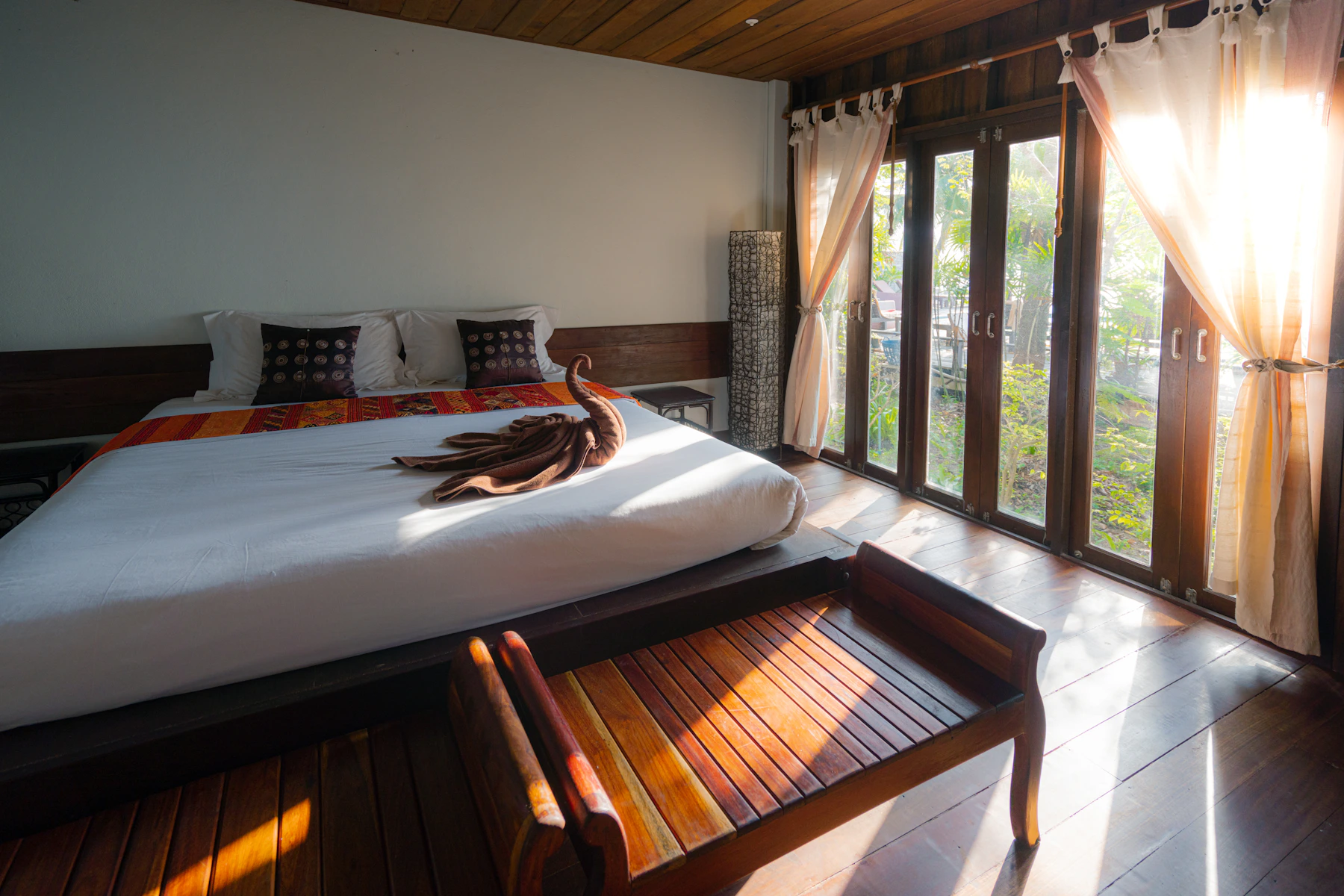
Switzerland is a destination where the hotel room can become part of the travel experience itself. A carefully selected room can provide more than a comfortable place to sleep. It can frame a mountain sunrise, overlook a historic old town, create a peaceful base beside a lake, or provide a sophisticated retreat after a full day of sightseeing. From contemporary city hotels to traditional alpine properties, the range of accommodation styles makes choosing the right room an important part of planning a Swiss journey.
This guide explores how to choose a hotel room in Switzerland with attention to location, room categories, views, comfort, transportation, seasonal travel, business needs, family requirements, romantic escapes, and practical booking considerations. Whether the itinerary centers on Zurich, Geneva, Lucerne, the Alps, or several destinations together, the goal is to make the accommodation decision more informed and easier to organize.
Why the Hotel Room Matters So Much in Switzerland
Switzerland is often associated with dramatic landscapes, precise transportation, historic architecture, lakes, mountains, and beautifully maintained towns. Those qualities naturally influence the hotel experience. A room overlooking a lake feels very different from an interior-facing room in a busy commercial district, even when the basic category and service level are similar.
For many travelers, the hotel is also where the day begins and ends. Morning light entering through a large window can create a memorable start, while a comfortable bed, quiet surroundings, and a well-designed bathroom can make a significant difference after several hours of walking, train travel, hiking, shopping, or sightseeing.
When comparing Hotels & Resorts in Switzerland, travelers should therefore consider more than the room rate. Location, room orientation, transportation access, included services, cancellation terms, seasonal conditions, and the purpose of the trip can all influence whether a particular room works well.
Understanding the Main Types of Swiss Hotel Rooms
Hotel terminology varies between properties, but most Swiss accommodations use a familiar progression from standard rooms to premium rooms and suites. The names themselves can be less important than the actual size, layout, view, and included features.
Standard Rooms
Standard rooms are often the most straightforward choice for travelers who expect to spend most of the day exploring. They typically provide the essential features needed for a comfortable stay, including a bed, private bathroom, storage, seating, climate control, Wi-Fi, and basic amenities.
A standard room can be especially practical in cities where guests leave early in the morning and return primarily to rest. In this situation, paying a large premium for an extensive view may not be necessary. However, travelers should still check the room dimensions and bed configuration before booking, particularly when carrying large luggage.
Superior Rooms
Superior rooms generally provide additional space, a more favorable location within the property, upgraded furnishings, or a better outlook. The exact difference from a standard room varies significantly from hotel to hotel.
For travelers staying several nights, the extra space can be valuable. A small seating area, larger wardrobe, better desk, or more generous bathroom can make a room feel substantially more comfortable during a longer itinerary.
Deluxe Rooms
Deluxe rooms often focus on a combination of space, design, and location. Some may feature balconies, panoramic windows, larger bathrooms, premium bedding, or distinctive architectural details.
The term “deluxe” should never be interpreted in isolation. Before paying more, compare the actual specifications. A deluxe room facing an unattractive service area may provide less enjoyment than a smaller room with a beautiful view.
Suites
Suites are usually designed for travelers who value separation between sleeping and living areas. A traditional suite may include a bedroom, separate sitting room, larger bathroom, dining space, and additional storage.
Suites can be useful for families, business travelers hosting occasional meetings, or couples seeking a more spacious environment. For a short city break, however, the additional area may not always be necessary. The value depends on how the room will actually be used.
Choosing a Hotel Room by Location
The right room starts with the right location. Switzerland is compact compared with many countries, but the character of each destination can change dramatically within a short distance. A hotel near a major railway station offers convenience, while a property farther away may provide more quiet and atmosphere.
Zurich Hotel Rooms
Zurich combines business districts, shopping streets, historic neighborhoods, museums, restaurants, waterfront areas, and excellent transportation connections. For travelers who want to maximize sightseeing time, choosing a centrally located property can reduce unnecessary transfers.
When reviewing Hotels in Zurich, consider the specific neighborhood rather than simply the city name. A hotel close to the main station can be convenient for travelers taking trains to other Swiss destinations. A property in the old town can place historic streets and restaurants nearby. A waterfront location may provide a different atmosphere and potentially more attractive views.
Business travelers should pay particular attention to desk quality, Wi-Fi reliability, sound insulation, and access to public transportation. Leisure travelers may place greater emphasis on walkability, breakfast, room design, and proximity to attractions.
Geneva Hotel Rooms
Geneva has a distinctive international atmosphere, with Lake Geneva, diplomatic institutions, business districts, museums, shopping areas, and historic streets all contributing to its character.
Travelers comparing Hotels in Geneva should consider whether they want immediate access to the lake, the old town, the central railway station, or business-oriented districts.
A lake-facing room can create a particularly memorable experience, but room orientation matters. “Lake area” does not necessarily mean that every room has an unobstructed lake view. Travelers should read the room description carefully and distinguish between a confirmed view and a general property location.
Lucerne Hotel Rooms
Lucerne is particularly attractive to travelers interested in combining historic architecture, lake scenery, mountain excursions, and a compact city center. The choice of hotel can therefore shape the entire rhythm of a visit.
When exploring Hotels in Lucerne, travelers may want to compare properties near the old town, lakefront, railway station, or quieter residential areas.
For scenic stays, the direction of the room can be more important than a small difference in room size. A balcony or large window overlooking the lake can create a stronger sense of place, particularly during sunrise, sunset, or changing weather.
Mountain Hotels and Alpine Room Experiences
Mountain hotels are among the most distinctive accommodation options in Switzerland. Instead of simply functioning as a base for sightseeing, an alpine hotel can become one of the main attractions of the trip.
Room selection becomes particularly important in mountain destinations because the surrounding landscape is often visible directly from the property. Large windows, balconies, terraces, and higher-floor rooms can offer different perspectives on peaks, valleys, forests, and changing weather.
Travelers should nevertheless remember that mountain views depend on weather. A room described as having a panoramic view may offer a spectacular landscape on a clear day and clouds or fog on another. The best strategy is to choose a property whose atmosphere remains appealing even when visibility is limited.
Lake-View Rooms: What to Look For
Lake-view accommodation is frequently associated with premium pricing, but the phrase can describe several different experiences. A partial view through neighboring buildings is not equivalent to a broad unobstructed panorama.
Before booking, examine the room description for terms such as “full lake view,” “partial lake view,” “side view,” or “city view.” If a hotel provides photographs for individual room categories, compare them carefully rather than relying only on the general property gallery.
Floor level can also matter. Higher floors may offer a wider horizon, while lower floors can provide closer views of gardens, streets, or waterfront activity. Neither is automatically superior; the preferred perspective depends on the traveler's priorities.
Room Orientation and Natural Light
Natural light can dramatically influence the atmosphere of a hotel room. A bright room may feel spacious and inviting, while a darker room can feel more private and restful.
Travelers who enjoy morning coffee by the window may prefer an east-facing room when that information is available. Those who appreciate afternoon or evening light may favor another orientation. However, hotel websites do not always publish room orientation, so it may be necessary to contact the property directly.
Large windows can also increase the perceived size of a room. When comparing two similarly priced rooms, examine whether one provides more usable natural light, better window placement, or a more attractive outlook.
Balconies and Private Outdoor Space
A private balcony can change the experience of a hotel room, especially in scenic destinations. It provides a place to enjoy morning coffee, read, photograph the landscape, or simply spend a quiet few minutes without leaving the property.
However, balcony availability should be checked carefully. Some properties advertise balconies only for selected room categories, while others may offer shared terraces. Travelers should confirm whether the outdoor space is private and whether the room description explicitly includes it.
In colder months, outdoor space may be used less frequently, although the large doors or windows associated with balconies can still contribute to the overall room experience.
Bed Configuration and Sleeping Comfort
Bed configuration is one of the most practical aspects of room selection. A room may be listed as suitable for two guests while offering different arrangements depending on the selected category.
Couples usually need to confirm whether the room contains one large bed or two separate beds. Families should verify whether extra beds, sofa beds, or connecting rooms are available.
For longer stays, mattress quality and pillow options can be more important than decorative features. Some hotels provide pillow menus or multiple bedding choices, while others use standardized configurations.
Professional booking tip: Never assume that a photograph showing one bed represents every room in that category. Room images are often representative. Read the written room description and verify the exact bed configuration before completing the reservation.
Bathroom Design and Practical Comfort
Bathrooms are frequently overlooked during hotel comparisons, yet they can strongly influence the daily experience. Important details include shower type, bathtub availability, counter space, lighting, ventilation, towel storage, and accessibility.
A traveler carrying extensive luggage may appreciate a bathroom with generous storage. A business traveler may value strong lighting around the mirror. Families may prefer a larger bathroom with a bathtub, while couples might prioritize a modern walk-in shower.
Premium rooms sometimes include upgraded bathroom materials, separate showers and bathtubs, double sinks, or larger mirrors. These features can be worthwhile for longer stays, but their value depends on individual priorities.
Choosing a Room for a Short City Break
A short city break requires a different approach from a week-long holiday. When only two or three nights are available, location can become particularly important because every minute spent commuting reduces time available for exploring.
A centrally located room may therefore provide greater practical value than a larger room in a distant neighborhood. Travelers can prioritize easy access to railway stations, pedestrian areas, restaurants, museums, and major attractions.
For short stays, a simple decision framework works well: choose the area first, then compare properties, then compare room categories within the preferred hotels.
Choosing a Room for a Longer Stay
For stays of five nights or more, comfort becomes increasingly important. A room that feels adequate for two nights may become restrictive after a week.
Longer-stay travelers should look for additional storage, comfortable seating, natural light, a functional work surface, and sufficient bathroom space. A balcony or larger window can also make the room feel less confined.
It can be worth paying a moderate premium for a better room category when staying for an extended period because the upgrade is experienced repeatedly rather than only once.
Family-Friendly Room Planning
Families should approach hotel rooms from a practical perspective. The key question is not simply how many people a room accommodates, but how comfortably the space supports their daily routine.
Parents may prefer connecting rooms, family suites, or larger apartments when available. Younger children can make proximity particularly important, while teenagers may appreciate having a separate sleeping or living area.
Storage is another major consideration. Winter clothing, children's equipment, backpacks, and luggage can quickly occupy floor space. A room that appears attractive in photographs may become less practical when fully occupied.
Rooms for Romantic Swiss Escapes
For couples, atmosphere can be as important as square footage. A quiet room with a beautiful view, comfortable seating, elegant lighting, and a private balcony may create a more memorable stay than a larger room without character.
Mountain resorts and lakeside destinations are particularly suited to this style of travel. Travelers can look for rooms with panoramic windows, fireplaces where appropriate, terraces, bathtubs, or distinctive architectural details.
Privacy should also be considered. A room facing a busy pedestrian street may provide energy and convenience but less seclusion than a room overlooking a quieter courtyard or natural landscape.
Business Hotel Rooms in Switzerland
Business travelers often evaluate rooms differently. A reliable workspace, ergonomic chair, high-quality Wi-Fi, convenient charging points, quiet surroundings, and efficient transportation can be more valuable than a dramatic view.
Zurich and Geneva are particularly relevant for business travel because of their international commercial environments. Travelers should consider the distance between the hotel and their meetings rather than selecting accommodation solely by city-wide reputation.
A well-organized business room should allow the guest to move naturally between working, resting, and preparing for the next day. Desk placement, lighting, power outlets, and sound insulation all contribute to this experience.
How Transportation Should Influence Hotel Selection
Transportation is one of the strongest practical factors in Swiss accommodation planning. Switzerland's railway system makes multi-city travel convenient, but hotel location still affects the ease of each journey.
Travelers planning several destinations should consider how often they will carry luggage between cities. A hotel near a major railway station can reduce transfer complexity, while a scenic resort farther away may be worth the additional journey when the accommodation itself is a major part of the experience.
When a road trip is involved, parking becomes a critical factor. Travelers should check whether parking is available on-site, whether it requires advance reservation, and whether an additional fee applies.
When Renting a Car Makes Sense
Public transportation is highly useful across Switzerland, but some itineraries benefit from the flexibility of driving. Travelers visiting several smaller villages, rural properties, or remote alpine locations may appreciate having direct control over departure times.
Those considering Car rentals in Switzerland should consider the entire route rather than only the rental price. Parking, fuel, road conditions, toll-related considerations, and seasonal driving conditions can all affect the overall cost and convenience.
A car can be especially useful when accommodation is outside a major city, although travelers should verify whether the hotel has private parking and whether the access road is suitable for the season.
Renting a Car in Zurich
For itineraries beginning in Zurich, travelers can compare Car rentals in Zurich before deciding whether to collect a vehicle immediately after arrival.
In many cases, it may be practical to spend the first portion of a city visit without a car and collect the vehicle later when heading toward rural or mountain destinations. This approach can reduce the need to manage parking during a city stay.
The best arrangement depends on the itinerary, luggage, hotel location, and destinations included in the journey.
Flights and the First Hotel Night
Flight schedules can influence the ideal first hotel. A late arrival may make a centrally located property near transportation more convenient than a remote resort. Conversely, an early arrival may allow travelers to reach a scenic destination on the same day.
Travelers comparing Flights to Switzerland should consider arrival time as part of the accommodation decision rather than treating flights and hotels as completely separate purchases.
For international travelers, the first night can be particularly important because fatigue and luggage make complicated transfers less appealing. A simple first-night arrangement can create a smoother beginning to the trip.
Hotel Rooms During Winter
Winter changes the hotel-room experience in Switzerland. Travelers may return from skiing, hiking, or sightseeing with wet outerwear, boots, and equipment. Drying facilities, storage space, heating, and convenient access to the room become particularly important.
Mountain properties may provide dedicated ski rooms or equipment storage. Some also offer wellness areas, saunas, pools, or lounges that become valuable during cold weather.
Room selection during winter should therefore include practical considerations that might be less important during summer, especially when traveling with specialized equipment.
Hotel Rooms During Summer
Summer travelers often place greater emphasis on balconies, air conditioning, views, outdoor areas, and natural ventilation. In warm periods, a room without effective cooling can become uncomfortable even when the property itself is excellent.
Travelers should check whether air conditioning is available rather than assuming that every hotel provides it. In mountain areas, natural cooling may be common, while city properties can experience warmer conditions.
Summer also increases demand for rooms with attractive outdoor space, so travelers who consider a balcony essential should verify its availability before booking.
Autumn and Spring Room Selection
Spring and autumn can provide a different atmosphere, with changing landscapes and variable weather. During these transitional seasons, travelers may spend more time inside the hotel between outdoor activities.
A comfortable lounge area, good natural light, quality bedding, and access to wellness facilities can therefore become particularly attractive.
Flexible cancellation policies can also be useful when weather conditions are an important part of the itinerary, especially for mountain trips.
Understanding Hotel Pricing
Hotel prices in Switzerland can vary according to destination, season, demand, room category, view, occupancy, and booking conditions. Two rooms in the same property can have noticeably different rates because of their location or flexibility.
The cheapest room is not necessarily the most economical choice if it requires expensive transportation, lacks important facilities, or has restrictive cancellation conditions. Conversely, the most expensive room may include features that a traveler will rarely use.
A better approach is to calculate the total value of the stay by considering room cost, transportation, meals, parking, taxes where applicable, and included services.
Flexible Versus Non-Refundable Rates
Non-refundable rates can sometimes be less expensive, while flexible rates can provide greater protection against changing plans. Travelers should compare the difference carefully.
For a fixed itinerary with low risk of change, a non-refundable option may fit the traveler's circumstances. For complex multi-city journeys, a flexible reservation may provide additional peace of mind.
The important point is to understand exactly what cancellation and modification rules apply before payment.
Breakfast and Meal Planning
Breakfast can be a meaningful part of the hotel experience, especially when the daily itinerary starts early. A property offering breakfast on-site can save time and simplify morning planning.
Travelers should compare what the breakfast rate includes rather than assuming that every room price contains breakfast. Some hotels offer buffet service, while others provide a smaller continental selection.
For travelers who prefer exploring local cafés, paying extra for breakfast may not provide much practical benefit. For families or travelers with early excursions, hotel breakfast can be more convenient.
Wellness Facilities and Hotel Recovery Time
Swiss hotels, particularly resort properties, may offer wellness facilities such as saunas, pools, steam rooms, fitness centers, or spa services. These facilities can significantly enhance the experience after active days.
However, travelers should verify whether wellness access is included in the room rate or requires an additional charge. Opening hours can also matter, particularly when returning from excursions late in the day.
A hotel with excellent wellness facilities can be particularly appealing during winter or after physically demanding outdoor activities.
Noise and Room Position
Room location inside a hotel can affect sleep quality. Rooms near elevators, staircases, restaurants, bars, event spaces, or busy streets may experience more activity.
Travelers who prioritize quiet can request a room away from high-traffic areas. Courtyard-facing rooms can sometimes be quieter, although this depends entirely on the building design.
It is also worth considering whether the hotel hosts events. A property with a beautiful lobby and extensive event facilities may have occasional periods of increased activity.
Accessibility and Special Requirements
Travelers with mobility requirements should review accessibility information before selecting a room. Important features can include step-free access, elevator dimensions, accessible bathrooms, roll-in showers, door widths, and suitable bed heights.
Because accessibility standards and room configurations vary, direct confirmation with the hotel can be valuable when a specific feature is essential.
Hotel Room Design and Swiss Style
Swiss hotel interiors range from contemporary minimalism to traditional alpine design. Some properties emphasize natural wood, stone, neutral colors, and regional materials, while urban hotels may use modern architecture, clean lines, and sophisticated lighting.
Design preferences are subjective, but travelers can use room photographs to determine whether the atmosphere matches the purpose of the trip. A traditional chalet-style room may feel especially appropriate in a mountain destination, while a modern city room can complement a business or urban itinerary.
How to Read Hotel Room Photos Correctly
Photographs are useful, but they should be treated as visual references rather than guarantees of an identical room. Professional photography often highlights the strongest features of a property.
Look for multiple photographs showing the bed, bathroom, windows, seating area, storage, and overall floor plan. If a room category has only one photograph, review the written description carefully.
Travelers should also distinguish between photographs of common areas and photographs representing the specific room category being purchased.
How Reviews Can Help With Room Selection
Guest reviews can provide useful information about details that may not appear in official descriptions. Travelers can search reviews for specific issues such as noise, mattress comfort, room temperature, elevator proximity, cleanliness, view accuracy, and luggage storage.
Rather than focusing on a single review, look for repeated observations across multiple recent reviews. Individual experiences can differ, but recurring comments may reveal useful patterns.
Reviews should also be interpreted in relation to the exact room category because conditions can vary considerably between room types.
Comparing Two Hotels With Similar Prices
When two hotels have similar rates, create a simple comparison based on the features that matter most for the specific trip.
| Factor | Question to Ask | Why It Matters |
|---|---|---|
| Location | How close is the hotel to the places I will visit? | Reduces unnecessary travel time. |
| Room | Is the size and layout comfortable? | Improves everyday usability. |
| View | What does the room actually overlook? | Can significantly affect the atmosphere. |
| Transport | How easy is it to reach trains or roads? | Simplifies multi-destination travel. |
| Facilities | Are breakfast, parking, wellness, and Wi-Fi suitable? | Reduces unexpected costs and inconvenience. |
| Booking terms | Can the reservation be changed? | Provides flexibility when plans change. |
Planning a Multi-City Swiss Hotel Route
Travelers visiting several Swiss destinations should think about the journey as a sequence rather than a collection of independent hotel bookings. The ideal room in one city may not be the ideal choice in another.
A practical itinerary might combine an urban hotel with a lakeside stay and then a mountain property. This creates variety while allowing travelers to experience different sides of Switzerland.
When changing hotels frequently, travelers should also consider check-in and check-out times, luggage storage, train connections, and the amount of time lost during transfers.
Creating a Balanced Hotel Itinerary
A balanced Swiss itinerary does not necessarily require the most expensive room in every destination. Instead, travelers can allocate their accommodation budget according to the purpose of each stop.
For example, a city stop focused on museums and restaurants may work well with a comfortable centrally located room, while a mountain retreat may justify spending more on a balcony or panoramic view because guests are likely to spend more time enjoying the property.
This approach makes the overall journey more varied without automatically increasing every night's cost.
What to Pack for a Swiss Hotel Stay
Hotel room comfort is also influenced by what travelers bring. Comfortable layers are useful because temperatures can vary between cities, mountains, trains, and hotel interiors.
Travelers may also want compact adapters, comfortable footwear, reusable water bottles, small organizers for electronics, and appropriate clothing for wellness facilities if those are part of the itinerary.
For longer stays, lightweight packing organizers can help keep clothing separated without occupying excessive storage space.
Digital Convenience in Modern Hotels
Modern hotel rooms increasingly include digital conveniences such as USB charging points, smart televisions, electronic controls, mobile check-in, and digital information systems.
These features can be useful, but they should not distract from fundamental considerations such as cleanliness, sound insulation, comfortable bedding, reliable Wi-Fi, and good room maintenance.
The best room is usually the one that combines useful modern features with practical everyday comfort.
Hotel Service and Guest Experience
Room quality is only one part of the overall hotel experience. Service can influence how easily guests resolve issues, request information, arrange transportation, or handle special requirements.
For travelers staying several nights, responsive staff can be especially helpful when arranging restaurant reservations, mountain excursions, luggage storage, or transportation.
When comparing hotels, travelers can therefore examine both physical accommodation and the service model offered by the property.
Making a Room Request Before Arrival
Once a reservation is confirmed, guests can contact the hotel with reasonable room preferences. Common requests include a quiet room, higher floor, specific bed configuration, accessible facilities, or a room away from elevators.
Requests are generally preferences rather than guarantees unless the hotel explicitly confirms them. Sending the request early can nevertheless make it easier for the property to accommodate the guest.
Pre-Arrival Room Checklist
- Confirm the exact room category.
- Verify the bed configuration.
- Check whether the advertised view is guaranteed.
- Confirm breakfast arrangements.
- Check parking requirements if traveling by car.
- Review cancellation and modification conditions.
- Send essential room preferences before arrival.
- Confirm check-in times when arriving late.
How to Avoid Common Hotel Booking Mistakes
One of the most common mistakes is booking based only on the hotel name or star category. Two properties with similar classifications can provide very different room experiences.
Another common mistake is focusing on the nightly rate without calculating additional costs. Parking, breakfast, transportation, taxes, and room upgrades can alter the total expense.
Travelers can also overlook the distance between the hotel and their actual daily activities. A beautiful property becomes less convenient when every excursion requires a long transfer.
Finally, guests sometimes assume that a photograph represents the exact room they will receive. Checking the written description helps prevent misunderstandings.
Using a Practical Hotel Selection Formula
A useful planning method is to divide hotel selection into four stages. First, choose the destination area. Second, identify properties that fit the itinerary. Third, compare room categories within those properties. Fourth, review the total booking conditions.
This prevents travelers from becoming distracted by attractive photographs before confirming whether the hotel is actually convenient.
For a scenic trip, the order may be slightly different: destination first, view requirement second, property third, room category fourth. The method should reflect the reason for the trip.
Questions to Ask Before Booking a Scenic Room
If the view is a major reason for choosing a room, several questions are worth answering before payment. Is the view guaranteed? Is the balcony private? Is the room facing the lake, mountain, street, or courtyard? Is the view seasonal? Is the photograph representative of the selected category?
These questions may appear detailed, but they can prevent disappointment when a traveler is specifically paying a premium for scenery.
Hotel Rooms Near Railway Stations
Railway-adjacent hotels can be especially practical for travelers with early departures or multiple train journeys. They reduce the distance between luggage and transportation and can simplify arrival after a long journey.
The trade-off may be increased urban activity. Travelers who prioritize quiet surroundings should compare station proximity with room orientation and sound insulation.
For a one-night transit stay, convenience may be the primary consideration. For a longer holiday, atmosphere and neighborhood character may become more important.
Hotel Rooms in Historic Buildings
Historic hotels can offer distinctive architecture, traditional details, high ceilings, restored features, and a stronger connection with the destination.
However, historic construction can sometimes mean unusual room layouts, smaller elevators, different ceiling heights, or less standardized room dimensions. Travelers who need specific accessibility or space requirements should verify details in advance.
The appeal of a historic property often comes from precisely those individual characteristics, so expectations should be based on the hotel's architectural style rather than modern standardized rooms.
Modern Swiss Hotel Interiors
Contemporary Swiss hotels often emphasize simplicity, natural materials, functional furniture, and carefully controlled lighting. Such interiors can create a calm environment that suits both business and leisure travel.
Modern design also often makes efficient use of limited space. Built-in storage, multifunctional furniture, and open layouts can make smaller rooms feel more practical.
When evaluating photographs, pay attention not only to decorative details but also to the actual arrangement of furniture and usable floor space.
How to Choose Between a View and More Space
This is one of the most common room-selection decisions. A larger room may provide more physical comfort, while a smaller room with a spectacular view may create a stronger destination experience.
The right choice depends on how the room will be used. Travelers who expect to spend very little time indoors may prioritize the view. Guests working from the room or staying for a week may value additional space more.
There is no universal answer because the practical value of each feature depends on the itinerary and personal habits.
How to Choose Between Location and Luxury
A luxurious hotel outside the preferred area may require additional transportation, while a simpler hotel in an ideal location can make sightseeing easier.
Travelers should compare the complete daily experience rather than judging the room in isolation. If staying centrally saves substantial travel time, that convenience can be an important part of the accommodation's value.
For resort destinations, however, the property itself may be the main attraction, making luxury facilities more relevant.
Hotel Rooms for Photography and Scenic Travel
Travelers interested in photography may pay particular attention to window direction, balconies, surrounding architecture, and access to outdoor spaces.
Morning and evening light can change the appearance of the landscape dramatically. A room with broad windows may provide useful opportunities for photography without requiring a long excursion.
When photographing from hotel property, guests should always respect privacy and hotel rules, especially when balconies or neighboring buildings are visible.
Balancing Comfort With Authenticity
Some travelers prefer contemporary luxury, while others enjoy properties that reflect local architecture and traditions. Switzerland offers both styles.
A modern hotel can provide predictable facilities and efficient service, while a traditional alpine property may offer stronger regional character. The decision can be based on whether the accommodation is primarily a practical base or a central part of the travel experience.
Building a Hotel Budget
A hotel budget becomes easier to manage when divided into priorities. Start with the maximum acceptable nightly cost, then identify the features that must be included within that amount.
For example, a traveler might prioritize location and breakfast, while another prioritizes a panoramic view and spa access. By defining priorities before searching, it becomes easier to compare properties objectively.
It is also useful to maintain a separate allowance for optional upgrades so that the initial room rate does not become the only consideration.
When an Upgrade May Be Worth Considering
Room upgrades can make sense when the additional cost is modest and the feature will be used frequently. A larger room for a week-long stay can be more useful than the same upgrade for one night.
A scenic upgrade can also be meaningful when the destination is famous for its landscape and the room is expected to be part of the experience.
Before upgrading, compare exactly what changes between the two categories. Sometimes the difference is primarily location, while in other cases it includes substantially more space and additional facilities.
A Professional Approach to Hotel Comparison
Instead of opening dozens of hotel pages and comparing them randomly, create a short list based on destination and travel purpose. Then compare the same categories across each property: room size, bed, view, location, breakfast, parking, cancellation, and facilities.
This makes the process more systematic and reduces the influence of attractive but irrelevant photographs.
| Travel Style | Room Priorities | Location Priorities |
|---|---|---|
| City break | Comfort, quiet, practical layout | Central and walkable |
| Mountain holiday | View, balcony, storage | Near lifts, trails, or resort facilities |
| Business trip | Desk, Wi-Fi, sound insulation | Near meetings and transport |
| Family trip | Space, bedding, storage | Easy access and family facilities |
| Romantic escape | View, privacy, design | Scenic or atmospheric setting |
Preparing for Check-In
Before arriving, keep the reservation confirmation accessible and review the hotel's check-in requirements. International travelers should also ensure that the names on reservations and travel documents are consistent.
If arriving late, notify the property when required. This is especially important for smaller hotels where reception hours may differ from those of large international properties.
Travelers with special room requests should also confirm them again if they are essential to the stay.
Making the Most of the Room During Your Stay
Once checked in, take a few minutes to organize luggage and identify the room's useful features. Locate power outlets, climate controls, Wi-Fi information, safe storage, and emergency information.
For longer stays, organizing luggage into drawers and storage areas can make the room feel significantly more comfortable. Keeping frequently used items accessible also reduces daily clutter.
If something important does not meet the room description, contacting reception promptly usually provides the best opportunity for a solution.
Why the Right Hotel Room Creates a Better Travel Rhythm
A good hotel room does more than provide overnight accommodation. It creates a reliable place to reset between activities. This becomes particularly important in Switzerland because travelers often combine walking, rail journeys, mountain excursions, museums, restaurants, and outdoor experiences in a single itinerary.
A quiet room can help travelers recover after a long day. A comfortable chair can provide a place to plan the next excursion. A large window can turn a simple morning into a memorable moment.
These small details collectively shape the quality of the trip.
Final Planning Checklist for Swiss Hotel Rooms
- Choose the destination area before choosing the room.
- Match the hotel location to the daily itinerary.
- Compare the actual room size rather than relying on photographs.
- Confirm bed configuration and occupancy.
- Verify whether the view is guaranteed or representative.
- Check balcony and terrace details carefully.
- Review bathroom configuration and accessibility if important.
- Compare breakfast, parking, and wellness costs.
- Review flexible and non-refundable booking conditions.
- Consider transportation before choosing a remote property.
- Check seasonal requirements for winter or summer travel.
- Read recent guest comments for recurring room-specific issues.
- Contact the hotel about essential preferences before arrival.
- Consider the total value of the stay rather than the nightly rate alone.
Frequently Asked Questions About Hotel Rooms in Switzerland
What should I consider first when choosing a hotel room in Switzerland?
Start with the location and purpose of the trip. A centrally located room can be useful for a city break, while a scenic resort may make the room itself a major part of the experience. Travelers can begin by comparing Hotels & Resorts in Switzerland and then narrow the search according to destination and room requirements.
Are hotel rooms in Zurich suitable for multi-city trips?
Yes. Zurich is an important transportation hub, and travelers often use it as either a starting point or a stop within a broader Swiss itinerary. When comparing Hotels in Zurich, consider proximity to transportation as well as the neighborhood atmosphere.
What type of hotel room is useful in Geneva?
The ideal category depends on the purpose of the visit. Business travelers may prioritize workspace and transport access, while leisure travelers may prefer a lake-facing or centrally located room. Comparing Hotels in Geneva by location and room features can help clarify the differences.
Should I choose a lake-view room in Lucerne?
A lake-view room can be appealing when scenery is an important part of the trip. Before paying a premium, confirm whether the view is full, partial, or incidental. Travelers can compare Hotels in Lucerne based on room orientation, balcony availability, and location.
Is renting a car useful for a Swiss hotel itinerary?
A car can provide flexibility for rural and mountain itineraries, particularly when several destinations are outside major transportation corridors. Travelers considering Car rentals in Switzerland should also account for parking, route planning, seasonal conditions, and the location of each hotel.
Can I rent a car when arriving in Zurich?
Yes, rental arrangements can be considered when beginning a road-based itinerary in Zurich. Comparing Car rentals in Zurich can help travelers review available vehicle and pickup options before deciding whether a car is needed for the entire stay.
How early should I plan flights and hotels?
Planning earlier generally gives travelers more time to compare room categories, cancellation policies, and arrival logistics. When reviewing Flights to Switzerland, consider arrival and departure times together with hotel check-in and transportation arrangements.
Is a hotel balcony worth paying extra for?
It depends on how much time you expect to spend at the property. A balcony can be particularly attractive in scenic mountain or lake destinations. For a short city stay where most of the day is spent outside, the same upgrade may be less important.
How can I make sure my hotel room has a good view?
Look for a room category that explicitly describes the view and check whether it is guaranteed. Terms such as full, partial, side, courtyard, mountain, lake, and city view can indicate meaningful differences. If the view is essential, contacting the hotel before arrival can provide additional clarification.
Should I stay near a railway station in Switzerland?
For travelers taking several trains or arriving with heavy luggage, proximity to a station can be highly practical. For longer leisure stays, a neighborhood with stronger scenic or cultural character may be more appealing. The right choice depends on how frequently transportation will be used.
What should families look for in Swiss hotel rooms?
Families should examine occupancy limits, bed arrangements, connecting-room availability, storage, bathroom space, and access to transportation. A larger room or suite can be useful for longer stays, while a central location may reduce the complexity of daily travel.
What makes a Swiss hotel room feel special?
The combination of location, architecture, natural light, comfortable furnishings, service, and scenery often creates the strongest experience. A thoughtfully selected room can connect the traveler directly with the destination, whether through a mountain panorama, lake view, historic setting, or sophisticated urban environment.
Smart Hotel Planning for a More Comfortable Swiss Journey
Choosing a hotel room in Switzerland is ultimately about matching accommodation with the way the journey will actually unfold. A traveler who plans long days in museums and city streets may need a comfortable and conveniently located base. A traveler spending several days in the mountains may value a panoramic room, balcony, wellness facilities, and easy access to outdoor activities. A family may prioritize space and practical logistics, while a couple may place greater emphasis on privacy, atmosphere, and scenery.
The strongest hotel decisions usually come from looking beyond the headline room rate. Consider the destination, transportation, room configuration, view, facilities, seasonal conditions, and booking terms together. This approach makes it easier to distinguish between features that genuinely improve the trip and features that simply look impressive in a photograph.
Switzerland offers an unusually broad range of accommodation experiences, from efficient urban rooms to elegant lakeside properties and peaceful alpine retreats. With careful planning, the hotel room can become more than a place to sleep. It can provide a comfortable base, a quiet recovery space, a practical starting point for exploration, and sometimes one of the most memorable views of the entire journey.
Comments
Post a Comment