A hotel can be much more than a convenient place to sleep. The building, surroundings, interior atmosphere, service style, dining spaces and relationship with the destination all contribute to how travelers remember a trip. In Ireland, where historic architecture and dramatic natural landscapes are often central to the travel experience, accommodation has an unusual opportunity to become part of the destination rather than simply a background to it.
Modern travelers are increasingly interested in the complete hotel experience. They want comfortable rooms, but they also notice architecture, lighting, materials, views, food, common areas and the way a property reflects its surroundings. A traditional Irish building can create a very different experience from a contemporary urban hotel, while a countryside retreat can offer an entirely different rhythm from a city-center property.
For travelers exploring Hotels & Resorts in Ireland, understanding these differences can make the accommodation search much more productive. Instead of judging hotels only by price, star rating or room size, travelers can examine how each property supports the purpose of the trip.
The central principle: The strongest hotel experiences usually happen when architecture, interior design, location, service and destination character work together. A beautiful room becomes considerably more meaningful when it also makes sense within the landscape and culture surrounding it.
 Historic urban architecture can provide a powerful foundation for a destination-focused hotel experience.
Why Hotel Design Matters to Modern Travelers
Hotel design is sometimes treated as a purely visual subject, but effective design has a practical function. It determines how guests move through a property, where they relax, how much natural light reaches a room and how easily they can perform everyday tasks.
A well-designed guest room should feel intuitive. Guests should know where to place luggage, where to charge devices, where to sit, how to control the temperature and how to use the lighting without searching for instructions.
Common areas serve a different purpose. A comfortable lounge can give travelers somewhere to read, work, plan their next day or simply enjoy a quiet drink outside the room. In larger properties, restaurants, gardens, libraries and terraces can make the hotel feel like a small destination of its own.
Good design also establishes identity. A property with natural stone, traditional timber, locally inspired artwork and warm textiles communicates something different from a minimalist hotel using glass, metal and clean geometric forms.
Neither approach needs to be universally preferred. The important question is whether the design feels appropriate to the building, location and intended guest experience.
Architecture as the First Layer of the Guest Experience
Architecture is often the first thing guests notice. Before entering the lobby or seeing a room, travelers encounter the exterior of the building, its entrance, surrounding landscape and relationship with the street.
Ireland offers many architectural possibilities. Historic townhouses, Georgian buildings, country estates, stone structures and modern developments can all provide different foundations for hotel design.
A historic building can create atmosphere through proportions, materials and preserved details. A modern property can instead use large windows, contemporary forms and carefully framed views to connect guests with the surrounding environment.
The most effective architectural experience does not necessarily depend on extravagance. A modest historic building can have enormous character when its original features are respected and maintained.
Architectural Details Travelers Can Notice
- Original stone or brickwork.
- Traditional windows and doors.
- Historic staircases and corridors.
- Fireplaces and restored decorative features.
- Rooflines and exterior proportions.
- Relationship between the building and its gardens or streetscape.
- Use of local materials in contemporary construction.
Dublin Hotels and the Art of Urban Hospitality
Dublin presents a unique environment for hotel design because guests can experience historic architecture, modern culture, restaurants, shopping and entertainment within the same broad urban area.
Travelers comparing Hotels in Dublin should consider the neighborhood as part of the overall experience. The same room can feel very different depending on whether the property overlooks a quiet street, sits within a historic district or occupies a modern commercial area.
Urban hotels have an important logistical role. Guests often spend most of the day outside the property, so efficient access to attractions can be extremely valuable. A convenient location reduces transportation requirements and makes it easier to return to the room between activities.
At the same time, the hotel should provide a calm environment after a busy day. Sound insulation, comfortable beds, good lighting and inviting common areas can make a significant difference.
Creating a Sense of Calm in a Busy City
One of the most interesting challenges for urban hotel designers is creating a feeling of calm without disconnecting the property from the city.
Natural materials, warm lighting, acoustic treatments and carefully selected furniture can reduce visual and sensory noise. Large windows can provide a connection to the city while good curtains and sound insulation allow guests to rest.
This balance is particularly useful for travelers who plan intensive sightseeing schedules. The hotel becomes a transition between the energy of the city and the privacy of the guest room.
Cork and Regional Hotel Identity
Cork provides a different environment in which hotels can develop their own character. The surrounding region has strong culinary, cultural and landscape identities, giving accommodation designers several directions to explore.
When reviewing Hotels in Cork, travelers can consider whether the property feels connected to the city and wider region.
Local character does not necessarily mean covering every surface with traditional decorative symbols. A more sophisticated approach may involve subtle references through materials, artwork, food, color and architectural details.
A hotel might use local stone in an entrance, regional products in its restaurant, artwork from nearby creators or a color palette inspired by the surrounding landscape. These small decisions can create a sense of place without becoming overly thematic.
 Natural scenery can influence the colors, materials and atmosphere used in destination-focused accommodation.
Galway: Connecting Hotels with Culture and Creativity
Galway has a strong cultural identity, which creates opportunities for hotels to incorporate art, music, food and regional storytelling into the guest experience.
Travelers exploring Hotels in Galway may want to think about the type of relationship they want between accommodation and city life.
A central property can make it easier to explore restaurants, cultural spaces and historic streets. A quieter hotel can provide a retreat after a day in the city. Properties outside the busiest areas may also work well for travelers combining Galway with road trips through the west.
Hotel design can support these different purposes. A city-oriented property may emphasize compact functionality and social spaces, while a retreat-style hotel may emphasize gardens, views, lounges and larger rooms.
The Relationship Between Nature and Hotel Design
One of Ireland's greatest advantages for hospitality design is the abundance of natural scenery. Mountains, lakes, forests, coastlines and open countryside can all become part of the guest experience.
Hotels do not necessarily need to be surrounded by wilderness to benefit from nature. Views through windows, gardens, terraces and courtyards can create visual connections with the outdoors.
Interior design can reinforce this relationship. Natural timber, stone, wool, linen and other tactile materials can make a room feel connected to the landscape outside.
Large windows can be especially powerful. Instead of treating a view as decoration, architects can use the landscape almost like artwork. The changing weather and light then become part of the room throughout the day.
 Mountain landscapes can become an important visual feature of a nature-focused hotel experience.
Killarney and Landscape-Driven Accommodation
Killarney provides an excellent example of how natural surroundings can influence accommodation. Lakes, mountains, woodland and expansive green areas create opportunities for hotels to emphasize outdoor experiences.
When researching Hotels in Killarney, travelers should consider whether the property provides opportunities to enjoy its surroundings.
A scenic hotel can offer value beyond its room if guests can spend time in gardens, terraces, lounges or walking areas. This becomes particularly important for travelers planning a slower itinerary.
The relationship between the hotel and nature can also influence room selection. A room overlooking a landscape may provide an experience that cannot be replicated in a standard urban property.
Design Strategies for Nature-Focused Hotels
- Large windows that frame outdoor scenery.
- Terraces or balconies positioned toward views.
- Natural materials inspired by the surrounding environment.
- Gardens designed for walking and quiet relaxation.
- Outdoor seating areas connected to indoor lounges.
- Warm interior palettes that complement natural scenery.
Historic Buildings and Modern Comfort
One of the most challenging aspects of hotel renovation is preserving history while providing contemporary comfort.
Historic buildings were rarely designed around modern hotel requirements. Room sizes can vary, bathrooms may require creative solutions and electrical infrastructure often needs major upgrades.
A thoughtful restoration does not attempt to make every room identical. Instead, it accepts some individuality while ensuring that essential standards of comfort remain consistent.
Guests can benefit from this approach because every room may have its own personality. One might feature an original fireplace, another a distinctive window and another a unique architectural shape.
The key is to make the historic elements feel intentional rather than inconvenient.
Hotel Interiors: The Importance of Materials
Materials strongly influence how a hotel feels. Stone can communicate permanence and connection to architecture. Wood can create warmth. Wool and textiles can add softness. Glass can increase natural light. Metal can introduce a contemporary edge.
Successful interiors rarely depend on a single material. Instead, designers combine textures to create visual balance.
Natural materials are particularly effective in Irish settings because they can reinforce the connection between interior spaces and the landscape outside.
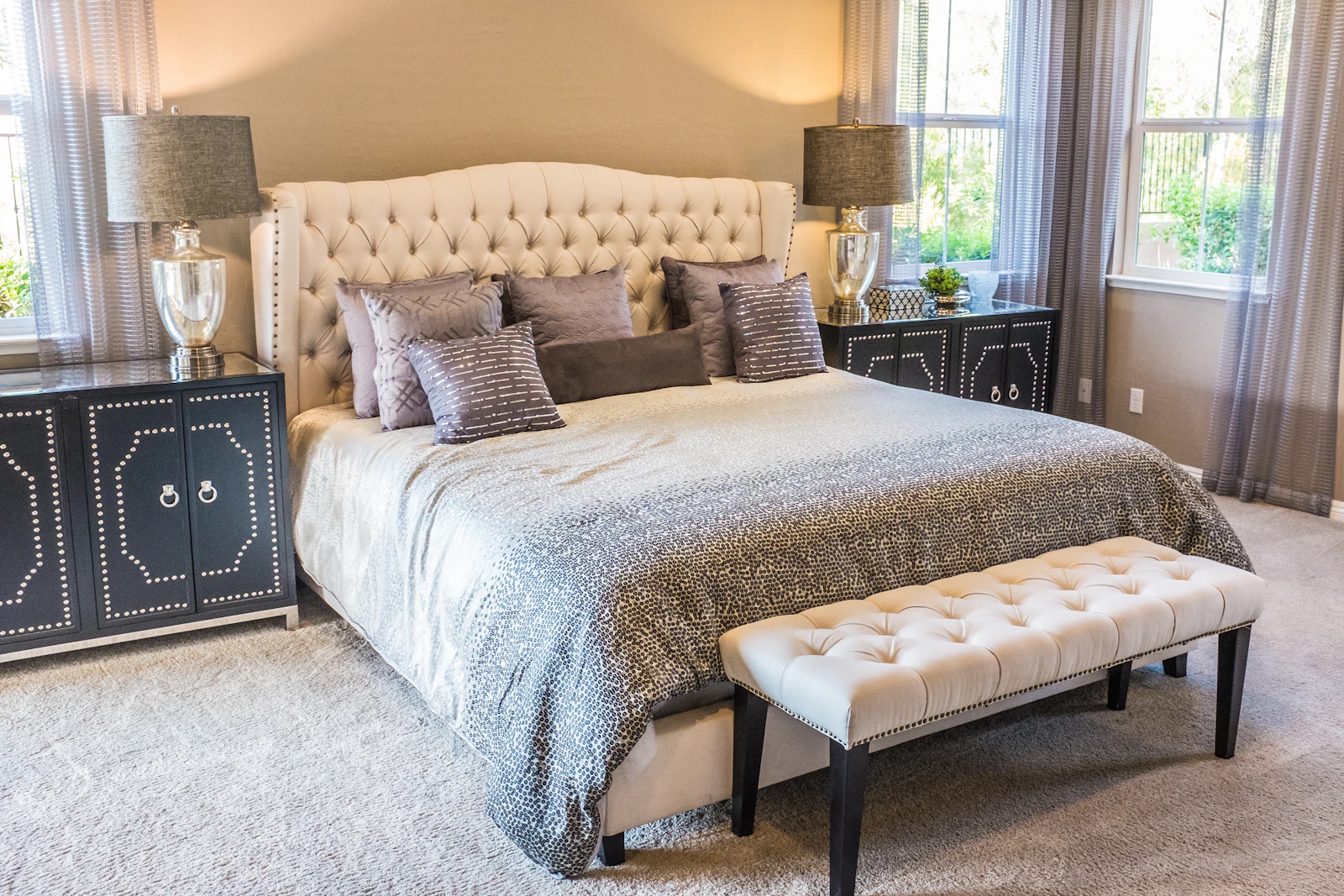 Comfortable interiors combine visual character with practical details that support everyday use.
Room Layout and Everyday Functionality
A luxury room should not only look attractive in photographs. It should function well during a real stay.
Travelers need somewhere to put luggage, charge devices, organize clothing, sit comfortably and move around the room. These details become increasingly important during longer visits.
Lighting is another major consideration. A single overhead light is rarely sufficient. A well-designed room may provide bedside lighting, reading lights, ambient illumination and brighter task lighting around mirrors or work areas.
Bathrooms require similar attention. Storage, water pressure, shower design, lighting and ventilation all influence the experience.
The best designs make these elements feel natural rather than technically complicated.
Limerick and Practical Luxury
Limerick demonstrates how the concept of luxury can be closely connected to convenience. Travelers may visit for cultural reasons, business, short breaks or as part of a larger road journey.
Those comparing Hotels in Limerick can evaluate the property according to the role it plays in the itinerary.
For a city visit, walkability and access to restaurants can be important. For road travelers, parking and straightforward departure routes may matter more. For longer stays, room functionality and common areas become increasingly relevant.
This demonstrates an important principle: hotel quality cannot be separated completely from context. The same property can be extremely convenient for one traveler and less suitable for another simply because their itineraries are different.
 Open countryside can provide a calm visual contrast to urban hotel environments.
Kilkenny and the Value of Heritage in Hospitality
Kilkenny offers an environment where historic character can become a central part of the accommodation experience.
Travelers searching Hotels in Kilkenny can examine the relationship between hotel architecture and the surrounding historic environment.
A well-positioned hotel can make it possible to explore much of the area on foot, returning easily between activities. This creates a relaxed rhythm that can be particularly appealing for short breaks.
Interior details can reinforce the experience. Traditional materials, restored architectural elements and locally inspired decoration can help accommodation feel connected to the town rather than interchangeable with a hotel anywhere else.
 The Irish countryside offers a natural setting for heritage-oriented accommodation.
Understanding the Complete Hotel Experience
| Experience Element |
Primary Function |
What Travelers Should Evaluate |
| Architecture |
Creates the property's first visual and emotional impression. |
Building character, heritage features, entrance and relationship with surroundings. |
| Interior Design |
Shapes atmosphere and everyday comfort. |
Materials, colors, lighting, furniture and room layout. |
| Location |
Determines convenience and connection to the destination. |
Walking access, transportation, attractions and neighborhood character. |
| Guest Rooms |
Provide privacy, sleep and personal space. |
Bed quality, sound insulation, storage, bathroom and temperature control. |
| Dining |
Adds convenience and regional identity. |
Breakfast, restaurant quality, opening hours and local ingredients. |
| Common Areas |
Extend the guest experience beyond bedrooms. |
Lounges, libraries, gardens, terraces and social spaces. |
| Service |
Reduces friction and adds personalization. |
Arrival, communication, recommendations and responsiveness. |
| Nature |
Connects accommodation with the destination. |
Views, gardens, outdoor areas and landscape access. |
Why Lighting Is More Important Than It Appears
Lighting can completely change the atmosphere of a hotel room. Bright overhead lighting may be useful when unpacking or getting ready, but softer lamps are more comfortable for evenings.
Natural light is equally important. Large windows can make a room feel more spacious and create a stronger connection with the outside world.
Hotels with carefully layered lighting give guests control over the atmosphere. This is a small design decision, but it can have a surprisingly large effect on comfort.
Dining Spaces as Social Architecture
Restaurants and breakfast rooms are not simply places where food is served. Their design can influence how guests interact with the property.
A restaurant overlooking a garden can create a very different experience from a compact room with limited natural light. A comfortable lounge can encourage guests to stay longer after a meal.
In Ireland, dining spaces can also become a way of connecting the hotel to regional identity. Local ingredients, traditional techniques and contemporary interpretations can all contribute to the sense of place.
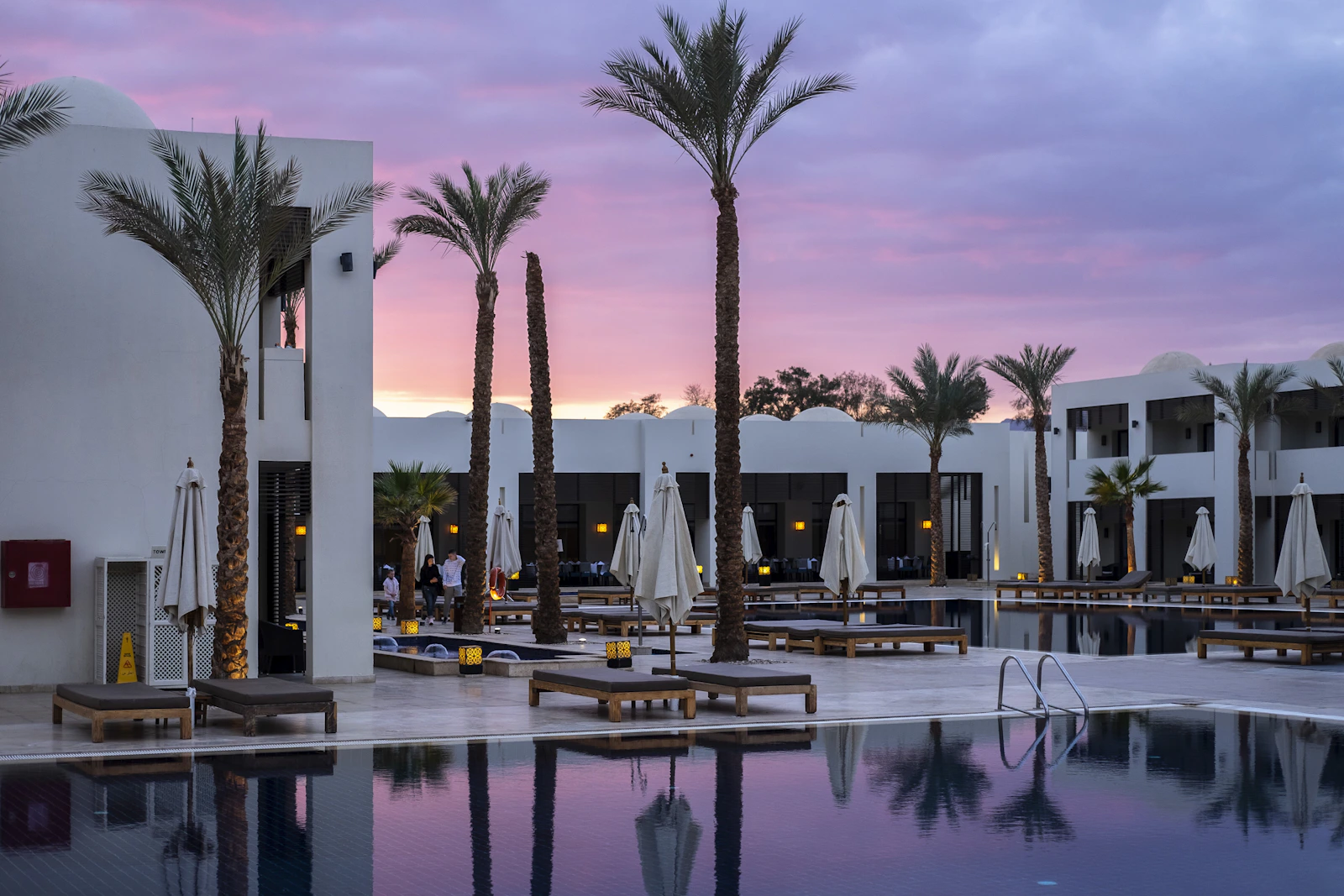 Refined architecture can create a memorable transition between the outside destination and indoor hospitality.
The Role of Gardens and Outdoor Spaces
Outdoor space can be one of the most valuable features of a countryside hotel. Gardens provide somewhere to walk, sit, read or simply observe the surroundings.
Good garden design can also extend the hotel's architectural identity. Paths can connect buildings, terraces can frame views and carefully positioned seating can create small private areas.
Even relatively modest outdoor spaces can improve the guest experience when they are maintained thoughtfully.
For travelers visiting Ireland during seasons with longer daylight hours, outdoor areas can become especially useful. Guests may want to spend time outside before breakfast, after dinner or between excursions.
Coastal Hotels and the Psychology of Views
Views can have a powerful influence on how guests perceive accommodation. A window overlooking the ocean, mountains or countryside provides something that cannot be reproduced through decoration alone.
The changing conditions of the Irish landscape can make these views especially dynamic. Clouds, sunlight, rain and mist can transform the appearance of the same scene throughout the day.
For travelers who value scenery, room orientation can therefore be as important as room size.
A strong landscape view can become one of the most memorable features of accommodation.
Boutique Hotels and Individual Personality
Boutique properties often place greater emphasis on individuality than standardized accommodation. The room may have distinctive furniture, locally inspired artwork or an unusual architectural feature.
This individuality can make a stay more memorable because guests associate the accommodation with the specific destination.
However, individuality should not come at the expense of practicality. A chair that looks beautiful but is uncomfortable, or a decorative bathroom with insufficient storage, can reduce the quality of the experience.
The ideal boutique design combines personality with usability.
How Service Completes the Design
Even exceptional architecture cannot replace thoughtful service. Guests interact with staff throughout the stay, from arrival to breakfast and departure.
Good service does not necessarily mean constant attention. In many cases, the best service feels effortless. Staff provide useful information when needed, respond quickly to requests and understand the local area well enough to make relevant recommendations.
For travelers unfamiliar with Ireland, local knowledge can be especially valuable. Suggestions about nearby restaurants, scenic routes or practical transportation can improve the trip beyond what a guidebook alone might provide.
Technology Should Support, Not Dominate
Modern hotels need reliable technology, but the best systems are usually those guests barely notice.
Strong Wi-Fi, charging points, effective climate control and easy communication can make a stay significantly smoother.
Technology becomes less successful when it creates unnecessary complexity. Guests should not need lengthy instructions to control basic room functions.
Sustainable Hotel Design in Ireland
Sustainability is becoming an increasingly important aspect of hospitality design. Hotels can address environmental responsibility through energy efficiency, water management, responsible sourcing and careful material selection.
Restoring existing buildings can also preserve architectural heritage while reducing the need to construct entirely new structures.
Local sourcing can support regional economies and create a stronger relationship between the hotel and its surroundings. Food, artwork, furniture and materials can all contribute to this approach.
Practical perspective: Travelers interested in sustainability should look for specific practices rather than relying only on broad environmental language. Details about energy, water, waste, food sourcing and building restoration provide more useful information.
Seasonal Hotel Design
A hotel's strengths can change with the seasons. During brighter periods, gardens, terraces and outdoor spaces may become major attractions. During colder months, comfortable interiors, fireplaces, restaurants and wellness facilities may become more important.
This means travelers should evaluate hotel features according to the timing of their trip.
A property designed around spectacular outdoor gardens may be particularly appealing when guests can comfortably use them. During a colder visit, the quality of indoor spaces may have greater influence on the overall experience.
 Comfortable interior spaces can become especially important during cooler seasons.
Designing for Different Types of Travelers
City Explorer
Benefits from central location, strong sound insulation, practical rooms, good breakfast and attractive social spaces.
Road Trip Traveler
Benefits from parking, easy road access, flexible arrival, comfortable dining and a relaxing environment after driving.
Couple
May value quiet rooms, scenic surroundings, attractive restaurants, privacy and comfortable shared spaces.
Nature Traveler
Often benefits from views, gardens, walking routes, outdoor seating and a strong connection to the surrounding landscape.
How to Evaluate a Hotel from Photographs
Hotel photographs can provide valuable information when examined carefully. Instead of looking only at whether an image appears attractive, travelers should study practical details.
Look at the relationship between furniture and room dimensions. Check whether there is visible storage. Examine lighting positions and window sizes. In bathrooms, look at shower design and available surfaces.
Outdoor photographs can reveal whether gardens and terraces are substantial or simply decorative. Landscape photographs can also help travelers understand whether the hotel is genuinely surrounded by nature or merely uses a few scenic images in its marketing.
 Landscape imagery can help travelers understand the broader setting around a hotel.
Building a Hotel-Centered Travel Experience
Some travelers use accommodation only as a base, while others want the property itself to be part of the holiday. The second approach can be particularly rewarding in Ireland.
A historic estate, coastal retreat or countryside hotel may offer enough experiences to justify spending part of the day on the property.
This does not mean travelers should remain inside all day. Instead, the hotel becomes another destination within the itinerary.
Morning breakfast, a walk through the grounds, afternoon relaxation and evening dining can create a slower travel rhythm that contrasts with busy sightseeing days.
Luxury Without Excess
Modern luxury does not always require extravagance. In many cases, guests value simplicity when it is executed exceptionally well.
A comfortable bed, excellent shower, quiet room, beautiful view and thoughtful breakfast can create a highly satisfying experience without overwhelming decoration.
This idea is especially relevant to Ireland because the surrounding landscape can provide much of the visual drama. A hotel does not necessarily need to compete with a mountain, coastline or historic landscape. Sometimes the most effective design simply frames it.
Planning a Multi-Destination Hotel Journey
Travelers exploring several parts of Ireland can use hotel design and atmosphere to create variety throughout the itinerary.
An urban hotel can provide an energetic beginning. A heritage property can introduce historic character. A countryside retreat can slow the pace. A coastal stay can provide a scenic final stage.
This approach prevents the journey from feeling repetitive and allows different destinations to reveal themselves through different forms of accommodation.
It also means that travelers should not use exactly the same criteria for every booking. The ideal city hotel may not be the ideal countryside hotel.
Questions to Ask Before Booking
- Does the hotel's architecture suit the atmosphere I want from the trip?
- Is the property conveniently located for my planned activities?
- Does the exact room category meet my requirements?
- Are there enough practical surfaces and storage areas?
- How good is the natural light?
- What common areas are available?
- Does the hotel have outdoor space?
- Are dining options convenient for my schedule?
- Is parking available if I am driving?
- Does the property offer reliable Wi-Fi?
- How does the hotel connect with its local environment?
- Will the facilities still be useful during the season of my visit?
Frequently Asked Questions About Hotel Experiences in Ireland
What makes a hotel feel connected to Ireland?
Architecture, local materials, regional food, artwork, surrounding landscapes and knowledgeable service can all create a stronger connection between the property and its destination.
Is hotel design important beyond appearance?
Yes. Effective design influences lighting, movement, sound, comfort, storage, privacy and the way guests use common spaces.
Are historic Irish hotels comfortable?
Many combine preserved architectural details with modern bathrooms, heating, comfortable beds and contemporary guest facilities. Individual room categories should still be checked carefully.
Why are views important in hotel selection?
A strong landscape view can become part of the daily experience and may be especially valuable for travelers visiting scenic regions.
What should I look for in a countryside hotel?
Consider the scenery, gardens, outdoor spaces, dining options, road access, parking, room comfort and distance from the activities you plan to enjoy.
What makes a good city hotel?
Convenient location, comfortable rooms, good sound insulation, reliable Wi-Fi, practical services and attractive common areas are all useful qualities.
Can a hotel be luxurious without being extremely large?
Yes. Smaller properties can create luxury through architecture, personalized service, materials, comfort, atmosphere and attention to detail.
Does local food contribute to the hotel experience?
Yes. Regional ingredients and locally influenced menus can strengthen the connection between accommodation and destination.
A Professional Framework for Comparing Irish Hotels
When several properties appear attractive, a structured comparison can make the decision easier. Begin by separating the hotel into six major areas: location, architecture, room quality, service, facilities and destination connection.
Location determines convenience. Architecture determines character. Room quality determines everyday comfort. Service affects how smoothly the stay operates. Facilities determine what guests can do on the property. Destination connection determines whether the hotel feels like part of Ireland rather than an interchangeable accommodation option.
Each category can then be examined according to the actual itinerary. A traveler spending most of the day outside may prioritize location and sleep quality. A traveler planning a retreat may give greater attention to facilities, dining and outdoor spaces.
This approach avoids making a decision based on one attractive photograph or one impressive feature.
Hotel Design as Storytelling
The most memorable hotels often tell a story through their physical environment. The story does not need to be literal. It can emerge from the relationship between materials, architecture, colors, artwork and landscape.
A restored historic property may tell a story about architectural heritage. A coastal hotel may use natural textures and wide windows to emphasize the sea. A modern city hotel may interpret local culture through contemporary artwork and sophisticated materials.
When these elements are consistent, guests understand the character of the property without needing a long explanation.
 A distinctive hotel exterior can establish the property's character before the guest enters.
The Value of Quiet Spaces
Quiet areas are an increasingly important part of hotel design. Travelers may spend much of their day surrounded by traffic, conversations, screens and busy attractions. A hotel can provide an important contrast.
Libraries, lounges, gardens and small seating areas can offer opportunities to slow down without requiring guests to return to their rooms.
For countryside hotels, quietness may come naturally from the setting. Urban hotels have to create it more deliberately through materials, acoustic design and spatial organization.
Balancing Tradition and Contemporary Expectations
Irish hotels can achieve a distinctive atmosphere by combining traditional character with modern functionality. Guests often appreciate historic details but still expect contemporary standards.
The balance can be achieved through selective restoration. Original architectural features remain visible while modern lighting, bathrooms, climate systems and technology are integrated discreetly.
This approach allows the building's history to remain part of the experience without making guests sacrifice comfort.
Creating a Better Stay Through Small Details
Luxury is often experienced through small details rather than dramatic gestures. A well-placed reading light, comfortable chair, quiet corridor, high-quality towel, useful charging point or thoughtfully designed breakfast area can have a lasting impact.
These details are easy to overlook when comparing hotels online because they rarely appear in promotional headlines. Yet they can influence the daily experience more than a large lobby or impressive entrance.
Travelers should therefore look for evidence of attention to detail throughout the property rather than focusing on one spectacular feature.
 Natural textures and vegetation can reinforce a hotel's connection with its environment.
Choosing Accommodation According to the Journey
The most useful hotel choice is usually the one that supports the entire journey rather than competing with it.
For a cultural city trip, accommodation should make exploration easy and provide a comfortable place to rest. For a road trip, it should reduce logistical friction. For a countryside retreat, it should encourage guests to slow down. For a romantic stay, atmosphere and privacy may become central.
In each case, the same principle applies: define the experience first, then select the property that supports it.
Practical Pre-Booking Checklist
- Identify the main purpose of the trip.
- Choose the destination or neighborhood before selecting the hotel.
- Determine whether the hotel is a base or an experience in itself.
- Check the exact room category.
- Review photographs of the actual accommodation style.
- Check parking and transportation requirements.
- Evaluate breakfast and restaurant availability.
- Consider the season of travel.
- Look for outdoor spaces if scenery is important.
- Review Wi-Fi and workspace facilities when relevant.
- Check accessibility requirements if necessary.
- Compare the total practical value rather than room price alone.
The Future of the Irish Hotel Experience
The future of hospitality in Ireland is likely to continue blending traditional identity with contemporary expectations. Travelers want authentic environments, but they also expect convenience. They appreciate historic buildings but want modern bathrooms and reliable technology. They value local food while expecting flexibility and high standards.
This creates opportunities for hotels that understand the balance between place and practicality.
Architecture can preserve history. Interior design can reinterpret local character. Technology can remove unnecessary friction. Dining can showcase regional products. Gardens and landscapes can provide experiences beyond the room.
The result is accommodation that feels both rooted and modern.
Making the Hotel Part of an Irish Travel Memory
A memorable trip is rarely defined by a single attraction. Instead, it is created by many small experiences: the view from a window in the morning, the architecture of an old building, a comfortable chair beside a fireplace, a quiet garden after a busy day, a regional breakfast or the feeling of returning to a welcoming room.
Hotels have the ability to bring these moments together.
In Ireland, the opportunity is particularly strong because accommodation can interact with a remarkable variety of environments. Urban hotels can frame historic streets. Country properties can sit within gardens and woodland. Coastal accommodation can make the sea part of the daily experience. Heritage buildings can allow travelers to sleep inside architectural history.
For travelers researching their next stay, this broader perspective can make hotel selection more meaningful. Instead of asking only how many facilities a property offers, ask what kind of experience it creates.
Does the architecture reflect its setting? Do the interiors feel comfortable as well as attractive? Does the location support the itinerary? Can guests enjoy the surrounding landscape? Does the food connect with the region? Is the service practical and thoughtful?
When these questions are considered together, travelers can identify accommodation that fits naturally into their journey.
The result is a hotel experience that does not feel separate from the destination. It becomes one of the places through which Ireland is experienced: through architecture, landscape, comfort, food, quiet moments and carefully designed spaces.
Comments
Post a Comment